Imperialism triumphs, democracy loses
We've become accustomed to it by now. Whoever shouts the loudest and finds enough like-minded people prevails. One of the most alarming developments of recent years is that, particularly after the pandemic--and the disinformation strategies established by political actors as a result--a new vice has emerged: positions and opinions are reflexively assigned in times of crisis without being re-examined. This makes democratic discourse virtually impossible.
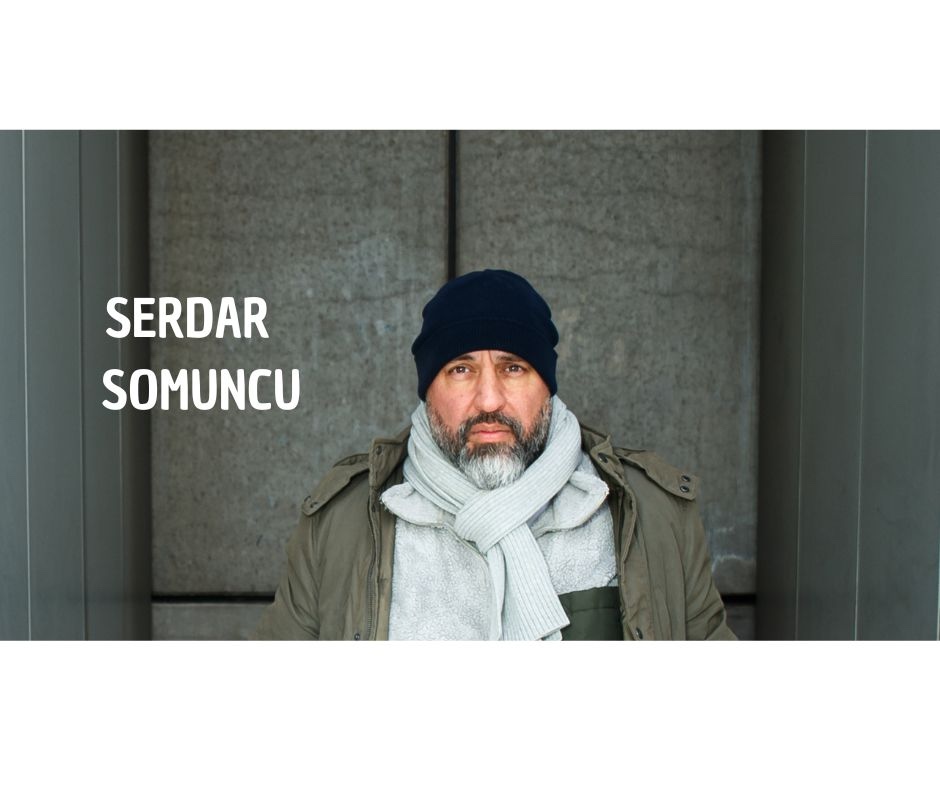
By Serdar Somuncu
By Serdar Somuncu
During the coronavirus pandemic, the dividing line ran between vaccine opponents and proponents. In Germany, according to the Robert Koch Institute (RKI), around 18-20% of adults considered vaccinations generally "unnecessary or dangerous" in 2021, while at the same time any criticism of government measures was categorically labeled "unsolidary" or "anti-scientific." Differentiation was replaced by polarized thinking. A similar pattern emerged during the war in Ukraine: people were categorized as "Putin apologists" and "Ukraine supporters"--despite the fact that even Western security experts, such as the US political scientist John Mearsheimer, had already publicly warned in 2015 that NATO's eastward expansion could drive Russia into aggressive escalation.
In Israel, the discourse in many places was reduced to "proponents of genocide" versus "human rights activists," even though UN reports regularly document massive violations by both Hamas and the Israeli military. And in Venezuela, the new dividing line is now: "America liberated the people" versus those who... They denounce violations of international law and consistently make them the benchmark of their political stance.
This benchmark is precisely what is crucial. Anyone who takes international law seriously must take it seriously everywhere--regardless of who is acting or what geopolitical interests are at play.
Thus, striking parallels and paradoxes are now emerging in the argumentation of ideological camps. While proponents of Russia's invasion policy repeatedly pointed out that Russia has a "legitimate security interest" in relation to NATO expansion, many of their former critics now speak of the right of the US to act unilaterally and intervene militarily in a foreign country without a UN mandate.
As a reminder: Vladimir Putin justified the attack on Ukraine in February 2022 by stating that Russia had to be protected from an existential threat and that Ukraine had to be "denazified." A narrative for which there was neither credible evidence nor international support. At the same time, Donald Trump openly declared during his first term that Venezuela had to be "liberated" because it posed a threat to regional stability. As early as 2019, he stated, "All options are on the table."
The facts tell a different story. According to the UN Charter, military force is only permissible in self-defense or with a Security Council mandate. Neither Russia's attack on Ukraine nor a potential US invasion of Venezuela meets these criteria. Nevertheless, in one case, it is described as an "unlawful war of aggression"--in the other, as a "necessary intervention."
When this contradiction is pointed out, knee-jerk defensive reactions ensue. One of the most popular comparisons is: Hitler would still be in power if the Allies hadn't intervened. This comparison is historically inaccurate and argumentatively unsound. World War II was the result of a declared war between states--not a preventive intervention without a mandate. Even the Kosovo War of 1999, often cited as a precedent, has subsequently been deemed unlawful, albeit politically motivated, by numerous international law experts.
The point that the US government's justifications frequently lack any factual basis also goes unheeded. During the Iraq War in 2003, US Secretary of State Colin Powell presented alleged evidence of weapons of mass destruction to the UN--evidence that later proved to be false. The consequences: over 500,000 civilian deaths, according to studies by the "Iraq Body Count," and lasting destabilization of the entire region. Consequences for those responsible? None.
Yet a glance at history would suffice to recognize the pattern. Russia justifies its wars by claiming to protect Russian-speaking minorities (Georgia 2008, Ukraine 2014 and 2022). The US justifies its interventions with democracy, human rights, or security (Vietnam, Iraq, Afghanistan, Libya). The narratives change, but the principle remains the same: might makes right.
Clearly, two different standards of morality and justice apply--depending on who is acting. The West often differs less in its imperial practices from Russia or China than it cares to admit. China argues in favor of Taiwan based on historical ties, Russia on security interests, and the US on the "rules-based order"--even though they themselves regularly break those rules. According to a study by Tufts University, the US has militarily intervened in at least seven countries since 2001 without a formal UN mandate.
Ultimately, this means that politics is no longer conducted according to principles of reason or law, but rather according to naked self-interest. This is not progress, but a regression--at least to the Middle Ages, if not to antiquity, as empires.They decided what was right because they could.
All the more striking, then, is the silence of those who otherwise loudly demand solidarity with the oppressed. NGOs, activists, intellectuals - many remain remarkably quiet. The German government, too, has offered mostly evasive statements. The same moral standards that legitimized billions in aid for Ukraine just a few months ago suddenly no longer apply. Instead, the situation is described as "complex."
In reality, it isn't. It's brutally simple. Major powers are informally agreeing on spheres of influence. Trump and Putin think in precisely these terms: Leave me alone, and I'll leave you alone. Territorial claims are no longer negotiated, but enforced. Rules only apply to the weak.
What comes next is predictable. Greenland, Mexico, Taiwan, Poland--the names are interchangeable. In a world without binding rules, stable borders no longer exist. Neither for actions nor for justifications.
Europe has long since lost its bearings. Since the beginning of the war in Ukraine, there has been incessant talk of "Western values." Now it's becoming clear how situationally these values are applied. If Europe doesn't want to jeopardize the transatlantic alliance, it must implicitly accept that decades of US interventionist policies have destroyed precisely what it accuses Russia of doing.
The crucial question, therefore, is no longer who is good or evil, but rather which interests are being pursued: natural resources, infrastructure, geopolitical control, market dominance. Morality serves merely as a facade.
In this sense, one can almost be grateful to Donald Trump. Through the escalation in Venezuela, he has exposed something that is usually concealed: democracy, human rights, and the international order only apply as long as they don't stand in the way of one's own power interests. Everything else is mere rhetoric.
January 22, 2026
©Serdar Somuncu
"The new book - Lies - A Cultural History of a Human Weakness"
*Serdar Somuncu is an actor and directord director
LINK TO THE NEW BOOK
In Israel, the discourse in many places was reduced to "proponents of genocide" versus "human rights activists," even though UN reports regularly document massive violations by both Hamas and the Israeli military. And in Venezuela, the new dividing line is now: "America liberated the people" versus those who... They denounce violations of international law and consistently make them the benchmark of their political stance.
This benchmark is precisely what is crucial. Anyone who takes international law seriously must take it seriously everywhere--regardless of who is acting or what geopolitical interests are at play.
Thus, striking parallels and paradoxes are now emerging in the argumentation of ideological camps. While proponents of Russia's invasion policy repeatedly pointed out that Russia has a "legitimate security interest" in relation to NATO expansion, many of their former critics now speak of the right of the US to act unilaterally and intervene militarily in a foreign country without a UN mandate.
As a reminder: Vladimir Putin justified the attack on Ukraine in February 2022 by stating that Russia had to be protected from an existential threat and that Ukraine had to be "denazified." A narrative for which there was neither credible evidence nor international support. At the same time, Donald Trump openly declared during his first term that Venezuela had to be "liberated" because it posed a threat to regional stability. As early as 2019, he stated, "All options are on the table."
The facts tell a different story. According to the UN Charter, military force is only permissible in self-defense or with a Security Council mandate. Neither Russia's attack on Ukraine nor a potential US invasion of Venezuela meets these criteria. Nevertheless, in one case, it is described as an "unlawful war of aggression"--in the other, as a "necessary intervention."
When this contradiction is pointed out, knee-jerk defensive reactions ensue. One of the most popular comparisons is: Hitler would still be in power if the Allies hadn't intervened. This comparison is historically inaccurate and argumentatively unsound. World War II was the result of a declared war between states--not a preventive intervention without a mandate. Even the Kosovo War of 1999, often cited as a precedent, has subsequently been deemed unlawful, albeit politically motivated, by numerous international law experts.
The point that the US government's justifications frequently lack any factual basis also goes unheeded. During the Iraq War in 2003, US Secretary of State Colin Powell presented alleged evidence of weapons of mass destruction to the UN--evidence that later proved to be false. The consequences: over 500,000 civilian deaths, according to studies by the "Iraq Body Count," and lasting destabilization of the entire region. Consequences for those responsible? None.
Yet a glance at history would suffice to recognize the pattern. Russia justifies its wars by claiming to protect Russian-speaking minorities (Georgia 2008, Ukraine 2014 and 2022). The US justifies its interventions with democracy, human rights, or security (Vietnam, Iraq, Afghanistan, Libya). The narratives change, but the principle remains the same: might makes right.
Clearly, two different standards of morality and justice apply--depending on who is acting. The West often differs less in its imperial practices from Russia or China than it cares to admit. China argues in favor of Taiwan based on historical ties, Russia on security interests, and the US on the "rules-based order"--even though they themselves regularly break those rules. According to a study by Tufts University, the US has militarily intervened in at least seven countries since 2001 without a formal UN mandate.
Ultimately, this means that politics is no longer conducted according to principles of reason or law, but rather according to naked self-interest. This is not progress, but a regression--at least to the Middle Ages, if not to antiquity, as empires.They decided what was right because they could.
All the more striking, then, is the silence of those who otherwise loudly demand solidarity with the oppressed. NGOs, activists, intellectuals - many remain remarkably quiet. The German government, too, has offered mostly evasive statements. The same moral standards that legitimized billions in aid for Ukraine just a few months ago suddenly no longer apply. Instead, the situation is described as "complex."
In reality, it isn't. It's brutally simple. Major powers are informally agreeing on spheres of influence. Trump and Putin think in precisely these terms: Leave me alone, and I'll leave you alone. Territorial claims are no longer negotiated, but enforced. Rules only apply to the weak.
What comes next is predictable. Greenland, Mexico, Taiwan, Poland--the names are interchangeable. In a world without binding rules, stable borders no longer exist. Neither for actions nor for justifications.
Europe has long since lost its bearings. Since the beginning of the war in Ukraine, there has been incessant talk of "Western values." Now it's becoming clear how situationally these values are applied. If Europe doesn't want to jeopardize the transatlantic alliance, it must implicitly accept that decades of US interventionist policies have destroyed precisely what it accuses Russia of doing.
The crucial question, therefore, is no longer who is good or evil, but rather which interests are being pursued: natural resources, infrastructure, geopolitical control, market dominance. Morality serves merely as a facade.
In this sense, one can almost be grateful to Donald Trump. Through the escalation in Venezuela, he has exposed something that is usually concealed: democracy, human rights, and the international order only apply as long as they don't stand in the way of one's own power interests. Everything else is mere rhetoric.
January 22, 2026
©Serdar Somuncu
"The new book - Lies - A Cultural History of a Human Weakness"
*Serdar Somuncu is an actor and directord director
LINK TO THE NEW BOOK
Write a comment