A laugh for Bas, a slap in the face for the SPD
Helmut Schmidt would be turning in his grave if he could see how the SPD has been passionately destroying itself for many years. The Social Democrats have never been in such a bad position in the West - congratulations! Especially since it appears this is happening deliberately.
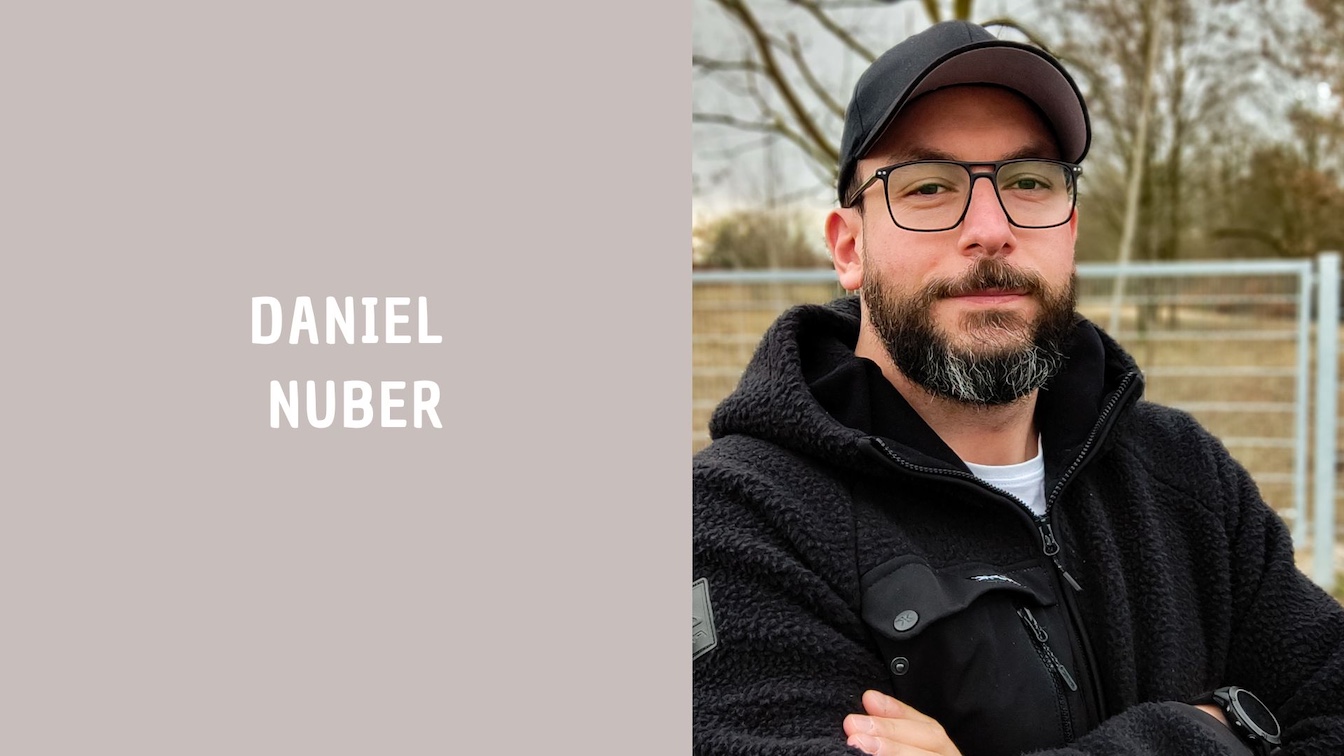
By Daniel Nuber
By Daniel Nuber
I, too, had a good laugh when Bärbel Bas, speaking to employers at the Employers' Day conference, claimed that the tax-funded pension reform would not lead to any additional burden on the population. As if money grew on trees and the pension insurance company simply had to pluck it. After being laughed at, she realized "who we must fight together against," namely the "gentlemen in comfortable armchairs." So, the usual left-leaning bogeyman of the old, white man who criticizes everything and finds it amusing. Firstly, however, there's no need to criticize something that is clearly bad, and secondly, surely no one can take this blatant attempt to obscure the increasing burden on citizens through convoluted narratives seriously - even though it is, of course, serious. Juso chairman Philipp Türmer rushed over to Bas and snapped that he wanted "they to be afraid of us again." Afraid of what exactly? For many years now, the greatest danger posed by the Social Democrats has been that, despite their lack of competence, they occupy key positions and participate in decision-making. Without this participation in government, statements like the one above would only elicit a weary shake of the head. But because of their waning, yet still existing, political clout, the joke is gradually losing its punchline--just as the pension reform lacks the reform itself.
Almost funnier was Lars Klingbeil's appearance on Sandra Maischberger's talk show. There, he said he found it odd that Bas had been laughed at, but he hadn't, even though they had said the same thing. Either he hadn't listened to his colleague or he understood something different than everyone else who saw or heard both speeches--because he didn't say the same thing. Perhaps he meant to say the same thing she said, then said something else, but now thinks he said what he meant to say. What he originally wanted to say, which is what Bas also said. Confusing. In any case, from his perspective, the ridicule stemmed from the fact that he was a man and Bas was a woman. So, the old, white man who, to top it all off, is not only rich but also misogynistic. Is that really all our social democratic representatives can come up with?
It's a prime example of our political and social debate culture. Instead of discussing the issues, they point to gender, tailored suits, or other irrelevant trifles--while at the same time, it's impossible to discuss the issues because those who have the power to shape the content have no interest in a debate at all. They just want to push through their pipe dreams and find someone to blame if, contrary to expectations, these dreams don't align with reality or don't lead to a significant improvement in the overall situation. And the situation isn't good. It really isn't. While more and more people are living longer, and consequently the duration of pension payments is increasing, the number of people paying into these funds is decreasing. Now, nobody needs to study economics for fifteen semesters to understand this. Anyone who didn't completely miss elementary school can grasp, with the simplest addition and subtraction, that this can't work in the long run. Anyone who attended fifth, sixth, and maybe even seventh grade with any degree of regularity and without being stoned can guess that subsidizing one deficit fund with funds from another weakens the latter--and then has to be replenished somehow through increased revenue. In other words: Financing pension benefits through tax revenue doesn't rightly lead to increased pension contributions, but sooner or later it does lead to increased costs due to necessary tax hikes, which are then used to fund the pension system. These are political games that are about as easy to see through as Merz's term "special assets" for "debt." If you and I operated like that, we'd have been clients of the job center long ago--and rightly so.
In other words: Financing pension benefits through tax revenue doesn't actually lead to increased burdens through rising pension contributions, but it will sooner or later lead to increased burdens through necessary tax hikes, which are then used again for the pension system. These are political games that are about as easy to see through as Merz's term "special assets" for "debt." If you and I operated like that, we'd have been clients of the job center long ago--and rightly so.
Because this "reform system," and fundamentally our healthcare and social security system, is not sustainable (and probably never was), there's now a discussion about whether social security contributions should be levied on capital gains. Of course, not for small savers, obviously. But who exactly is a small saver, who defines that, and why? Ironically, at the same time, German citizens are explicitly encouraged to invest to counteract potential future shortfalls in the pension system. So: You earn money on which you (and your employer) pay taxes and social security contributions. Then you invest a certain amount of what's left in the stock market because you suspect your pension won't be enough. Subsidize your regular retirement pension.When you sell your investments, you will not only have to pay taxes in the future, but also social security contributions again. Depending on the amount of your capital gains, between 20 and 65 percent of the returns will have to be paid. In the worst-case scenario, you'll only keep 35 euros out of every 100 euros. Now, factor in the inflation rate until the time of payout... you'd be better off spending. It's more economical for you.
There are ways to improve our social security systems. A transaction tax, for example, which replaces all other taxes and has been discussed by economists. Regardless of whether and to whom you pay a cent or a billion euros, an extremely low tax rate (well below one percent) would apply - no matter how you transfer the money. Due to the numerous transactions per day, this would lead to massive additional revenue - the sheer volume of transactions is crucial, not the individual one - which could be used to initiate and implement urgently needed reforms. The sleight of hand currently being discussed will inevitably lead to the collapse of our social and healthcare systems because the root causes of the impending liquidity shortages are not being addressed. Or, as a miner's saying aptly puts it: shovel here, shovel there, shovel full, shovel empty. This back-and-forth shuffling can work for many years and decades, but there will come a point when there's nothing left to shuffle.
By continually squeezing the population dry, all incentives for investment are gradually being eliminated. The cost of living is rising--the price of gas will almost double in the coming years and become an expensive proposition for many households that still heat with gas--and future prospects are dwindling. The younger generation cannot say with certainty that they will one day be better off than their parents. This has repercussions not only for individuals, but for society as a whole, when young adults look to the future with disillusionment, the elderly have to collect returnable bottles, and those democratically entrusted by us with keeping Germany stable and future-proof try to conceal, with rhetorical tricks, that they either have no clue or no interest. The problem is: there is currently no party capable of creating anything constructive.
To be fair, it must be said that our tax, economic, and social systems are so complex and intricately intertwined that changes shouldn't be made "just like that," because their effects are completely unpredictable. It's entirely possible that a seemingly minor adjustment could trigger an unforeseen avalanche that can no longer be stopped--simply because no one (!) can fully grasp the complexity of a state. Of course, it's unacceptable that those entrusted by the people to govern the state declare employers to be enemies, spout blatant nonsense, and fail to understand that they are not only harming their own party but also promoting forces whose political views are not just reactionary but downright insane. And that's the biggest problem: old and wrong doesn't mean new and right. The growing disaffiliation with established parties will unfortunately not lead to more capable politicians emerging. Faces may change, and so may political leanings, but the danger is high that these individuals will create bigger problems rather than solve existing ones.
December 12, 2025
©Daniel Nuber
In his book "Rust, Weed, and Rakija," Daniel Nuber describes his journey through the Balkans. He is also a certified specialist in the health and social services sector and works as an author, videographer, and photographer.
CLICK HERE FOR THE NEW BOOK
Almost funnier was Lars Klingbeil's appearance on Sandra Maischberger's talk show. There, he said he found it odd that Bas had been laughed at, but he hadn't, even though they had said the same thing. Either he hadn't listened to his colleague or he understood something different than everyone else who saw or heard both speeches--because he didn't say the same thing. Perhaps he meant to say the same thing she said, then said something else, but now thinks he said what he meant to say. What he originally wanted to say, which is what Bas also said. Confusing. In any case, from his perspective, the ridicule stemmed from the fact that he was a man and Bas was a woman. So, the old, white man who, to top it all off, is not only rich but also misogynistic. Is that really all our social democratic representatives can come up with?
It's a prime example of our political and social debate culture. Instead of discussing the issues, they point to gender, tailored suits, or other irrelevant trifles--while at the same time, it's impossible to discuss the issues because those who have the power to shape the content have no interest in a debate at all. They just want to push through their pipe dreams and find someone to blame if, contrary to expectations, these dreams don't align with reality or don't lead to a significant improvement in the overall situation. And the situation isn't good. It really isn't. While more and more people are living longer, and consequently the duration of pension payments is increasing, the number of people paying into these funds is decreasing. Now, nobody needs to study economics for fifteen semesters to understand this. Anyone who didn't completely miss elementary school can grasp, with the simplest addition and subtraction, that this can't work in the long run. Anyone who attended fifth, sixth, and maybe even seventh grade with any degree of regularity and without being stoned can guess that subsidizing one deficit fund with funds from another weakens the latter--and then has to be replenished somehow through increased revenue. In other words: Financing pension benefits through tax revenue doesn't rightly lead to increased pension contributions, but sooner or later it does lead to increased costs due to necessary tax hikes, which are then used to fund the pension system. These are political games that are about as easy to see through as Merz's term "special assets" for "debt." If you and I operated like that, we'd have been clients of the job center long ago--and rightly so.
In other words: Financing pension benefits through tax revenue doesn't actually lead to increased burdens through rising pension contributions, but it will sooner or later lead to increased burdens through necessary tax hikes, which are then used again for the pension system. These are political games that are about as easy to see through as Merz's term "special assets" for "debt." If you and I operated like that, we'd have been clients of the job center long ago--and rightly so.
Because this "reform system," and fundamentally our healthcare and social security system, is not sustainable (and probably never was), there's now a discussion about whether social security contributions should be levied on capital gains. Of course, not for small savers, obviously. But who exactly is a small saver, who defines that, and why? Ironically, at the same time, German citizens are explicitly encouraged to invest to counteract potential future shortfalls in the pension system. So: You earn money on which you (and your employer) pay taxes and social security contributions. Then you invest a certain amount of what's left in the stock market because you suspect your pension won't be enough. Subsidize your regular retirement pension.When you sell your investments, you will not only have to pay taxes in the future, but also social security contributions again. Depending on the amount of your capital gains, between 20 and 65 percent of the returns will have to be paid. In the worst-case scenario, you'll only keep 35 euros out of every 100 euros. Now, factor in the inflation rate until the time of payout... you'd be better off spending. It's more economical for you.
There are ways to improve our social security systems. A transaction tax, for example, which replaces all other taxes and has been discussed by economists. Regardless of whether and to whom you pay a cent or a billion euros, an extremely low tax rate (well below one percent) would apply - no matter how you transfer the money. Due to the numerous transactions per day, this would lead to massive additional revenue - the sheer volume of transactions is crucial, not the individual one - which could be used to initiate and implement urgently needed reforms. The sleight of hand currently being discussed will inevitably lead to the collapse of our social and healthcare systems because the root causes of the impending liquidity shortages are not being addressed. Or, as a miner's saying aptly puts it: shovel here, shovel there, shovel full, shovel empty. This back-and-forth shuffling can work for many years and decades, but there will come a point when there's nothing left to shuffle.
By continually squeezing the population dry, all incentives for investment are gradually being eliminated. The cost of living is rising--the price of gas will almost double in the coming years and become an expensive proposition for many households that still heat with gas--and future prospects are dwindling. The younger generation cannot say with certainty that they will one day be better off than their parents. This has repercussions not only for individuals, but for society as a whole, when young adults look to the future with disillusionment, the elderly have to collect returnable bottles, and those democratically entrusted by us with keeping Germany stable and future-proof try to conceal, with rhetorical tricks, that they either have no clue or no interest. The problem is: there is currently no party capable of creating anything constructive.
To be fair, it must be said that our tax, economic, and social systems are so complex and intricately intertwined that changes shouldn't be made "just like that," because their effects are completely unpredictable. It's entirely possible that a seemingly minor adjustment could trigger an unforeseen avalanche that can no longer be stopped--simply because no one (!) can fully grasp the complexity of a state. Of course, it's unacceptable that those entrusted by the people to govern the state declare employers to be enemies, spout blatant nonsense, and fail to understand that they are not only harming their own party but also promoting forces whose political views are not just reactionary but downright insane. And that's the biggest problem: old and wrong doesn't mean new and right. The growing disaffiliation with established parties will unfortunately not lead to more capable politicians emerging. Faces may change, and so may political leanings, but the danger is high that these individuals will create bigger problems rather than solve existing ones.
December 12, 2025
©Daniel Nuber
In his book "Rust, Weed, and Rakija," Daniel Nuber describes his journey through the Balkans. He is also a certified specialist in the health and social services sector and works as an author, videographer, and photographer.
CLICK HERE FOR THE NEW BOOK
Write a comment