How the old take advantage of the young and what a fair solution could look like
It's one of the comfortable self-deceptions of an aging society to see itself as particularly supportive. We like to talk about the generational contract, the "coexistence of generations," and respect for life experience. In political reality, however, this coexistence often resembles a one-sided account: the older generation decides, the younger generation pays.
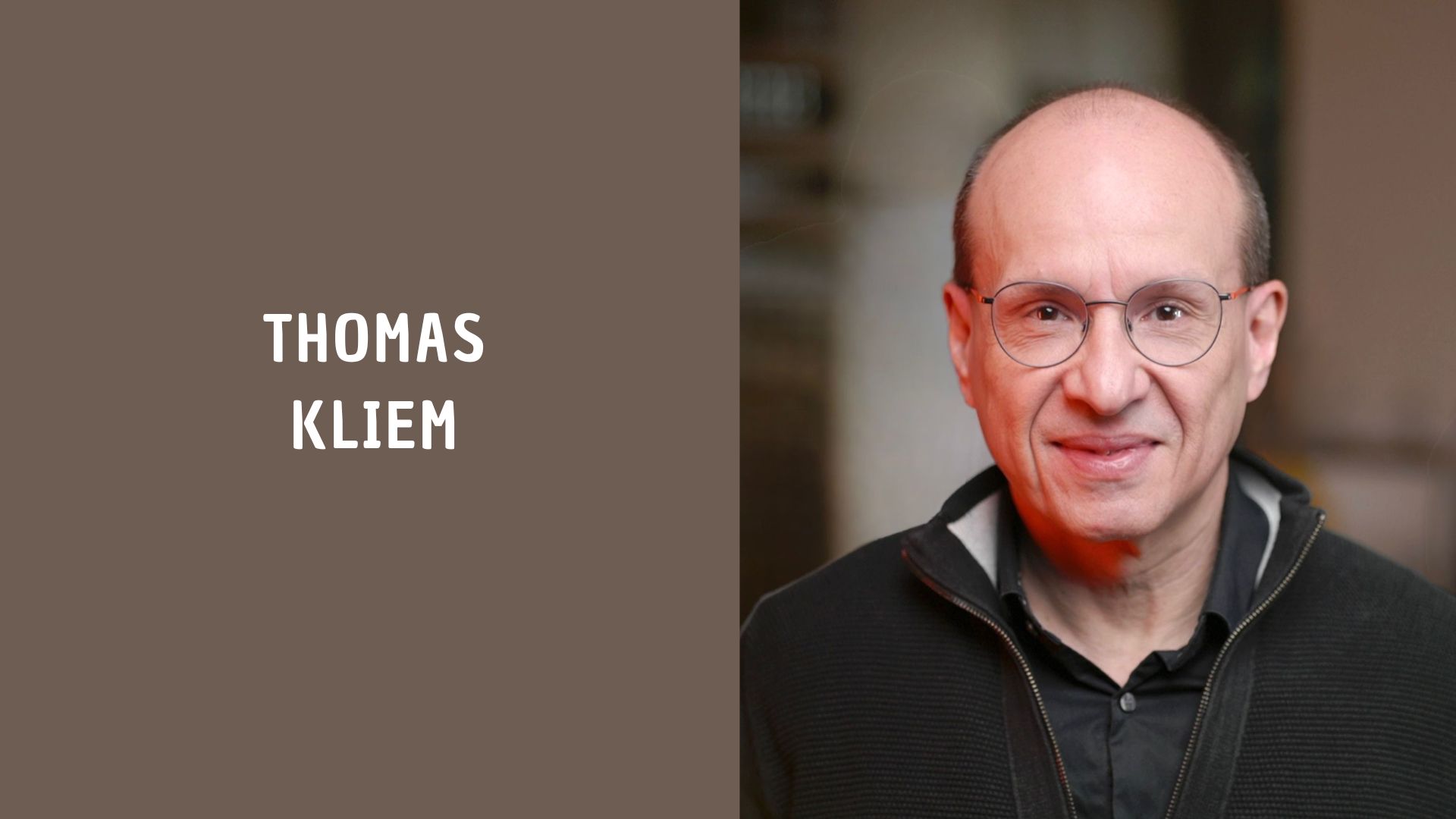
By Thomas Kliem
By Thomas Kliem
This is not a moral accusation against individuals, but a sober description of existing structures. Germany is an aging republic. Today, every second person is over 45, and roughly one in five is over 65. In a democracy where voter turnout increases with age, this means that the interests of older people carry more political weight than those of younger people. And this is reflected in many policy areas.
In the following, I would like to show, from the perspective of freedom, responsibility, and upward mobility, how this unfair advantage works and what a just solution might look like. The focus will be on conscription, pensions, education, the economy, health policy, long-term care, and migration.
1. The Demographic Tipping Point: When the Generational Contract Becomes a One-Way Street
The classic generational contract only works as long as the next generation is large and productive enough to meet the demands of the older generation. In Germany, this balance has shifted over decades. The proportion of those under 20 has fallen from nearly 30 percent to under 20 percent since 1970, while the proportion of those over 67 has almost doubled.
The consequence: Fewer and fewer working people are financing pensions, healthcare, and long-term care for an ever-growing number of elderly people. The systems are under pressure, as even the German Pension Insurance and numerous studies have been emphasizing for years.
Politically, this finding has never been truly and honestly addressed. Instead of clearly stating:
In short: Older people secure comparatively stable benefit promises, while younger generations inherit increasing burdens, rising risks, and uncertain commitments. This is the structural disadvantage at stake.
2. Conscription: Young Men as a Subsequent Security Reserve
Since 2011, conscription in Germany has been suspended, not abolished. In light of the changed security situation, there are now increasing calls for a return to various forms of national service. Partly explicitly military, partly expanded to include "civic service."
It is noteworthy that:
Security is a public good. Ensuring it is the responsibility of the state, financed by everyone's taxes, not by the risk borne by individual generations. If we discuss new service models, then only under clear conditions:
1. Voluntariness instead of coercion? A modern society should rely on incentives, recognition, and attractive conditions, not on obligation.
2. Equality before duty? If there is a service to society, it must not selectively affect only the youngest, while older people can politically evade responsibility. A fair discussion would also have to address... Let's talk about flexible engagement models for all age groups, from community service to digital education mentoring.
3. Professionalism instead of symbolic rituals? A poorly equipped, bureaucratically paralyzed army won't improve by forcibly conscripting young people. Professional structures, modern equipment, efficient administration, and clear missions are more important than nostalgic debates about "a sense of duty."
A fair solution regarding conscription would mean: If service is to be implemented, it should be attractive, voluntary, and qualifying, and not a retroactive way of filling gaps at the expense of a generation whose lives are simultaneously made difficult when it comes to housing, saving, and investing.
3. Professionalism instead of symbolic rituals? A poorly equipped, bureaucratically paralyzed army won't improve by forcibly conscripting young people. Professional structures, modern equipment, efficient administration, and clear missions are more important than nostalgic debates about "a sense of duty."
A fair solution regarding conscription would mean: If service is to be implemented, then it should be attractive, voluntary, and qualifying, and not a retrospective way of filling gaps at the expense of a generation whose lives are simultaneously made difficult in terms of housing, saving, and investing. 3. Pensions: The "Retiree Republic" and the Bill for Younger Generations
The pay-as-you-go pension system is based on a simple principle: Today's working population finances the pensions of today's retirees with their contributions, in the expectation that someone will finance their pensions later. For a long time, this worked well. But with declining birth rates and increasing life expectancy, the burden on younger generations is rising considerably.
This creates several injustices:
Time injustice: The baby boomers are experiencing a comparatively comfortable transition into retirement, while subsequent generations face a significantly less favorable ratio of contributors to pensioners.
Investment injustice: Money flowing into consumption-based pension benefits today is lacking for future investments in education, digitalization, and infrastructure.
What would be a fair, liberal answer?
1. Make pensions honest
Policymakers must transparently demonstrate which benefits are financially sustainable in the long term and which are not. Illusions are socially unjust because they leave younger generations with a hidden bill.
2. Significantly strengthen the funded pension system
A larger portion of retirement provision must be organized through funded, broadly diversified investment instruments. With clear rules, high transparency, and genuine ownership rights for policyholders.
3. Linking Working Life to Life Expectancy
It is no longer acceptable that sharply rising life expectancy is almost entirely offset by additional years of pension payments. A fair solution is a gradual adjustment of the retirement age to average life expectancy, combined with flexible transition models.
4. Generational Test for All Social Reforms
Every reform in the area of pensions and social security systems should be subjected to a "generational test": Will the implicit burdens for future generations be higher or lower? Laws that clearly increase the burdens should require a qualified majority.
4. Education: When the Future Becomes a Leftover Category
No area reveals a society's priorities as clearly as education. Looking at the figures, it's striking that Germany spends less on education as a percentage of its gross domestic product than the OECD average, at around 4.4 percent, while other countries invest over 6 percent.
At the same time, the proportion of low-skilled young adults in Germany, at around 15 percent, is higher than in many other OECD countries, while the proportion of 25- to 34-year-olds with a tertiary degree, at 40 percent, is below the OECD average.
In other words:
In an aging democracy where voting decisions are numerically dominated by older generations, this is no coincidence. Education spending has a long-term impact, pension spending has an immediate one. Those who align their political careers with the next election are more likely to invest in the present of the elderly than in the future of the younger generation.
A fair solution would consistently prioritize education policy:
1. More freedom and responsibility at the local level
Schools need more pedagogical and organizational autonomy, combined with clear performance goals and transparency regarding results.
2. Early support instead of late correction?
Language support, early STEM skills, digital literacy. The earlier the investment, the better the chances for genuine upward mobility.
3. Recognize achievement, relativize background
An education system is fair when it propels talented individuals to the top regardless of their family background. This includes scholarships, targeted support programs, and clear Performance requirements.
4. Prioritize education over consumption spending
Every additional euro spent should be measured by whether it strengthens the country's future viability. Education is not an expenditure; it is the infrastructure of freedom.
5. Economy: Growth as a prerequisite for justice
An aging society with a strong welfare state can only be just if it is economically strong. Without growth, promises of redistribution become distributional conflicts.
Younger generations today are experiencing an economy hampered by bureaucracy, high taxes, and regulatory uncertainty:
Those who already possess assets, secure civil service positions, or paid-off real estate--that is, disproportionately older generations--benefit more from this situation. Those who are still building their businesses are disadvantaged.
A fair economic order for younger generations would look different:
1. Radical simplification of taxes and levies
Less bureaucracy, clearer rules, digital interfaces so that people who are still developing their businesses can benefit from the system.Those who want to build something should invest their time in value creation, not in bureaucratic processes.
2. Relief from labor, promotion of homeownership
Lower non-wage labor costs and better opportunities to build wealth (for example, through tax allowances for acquiring owner-occupied residential property) ensure that extra effort truly pays off.
3. Technology-neutral, market-oriented climate policy
Those who want to define climate goals solely through bans and regulations impose enormous welfare losses on younger generations. Market-based instruments that reward innovation and don't just manage sacrifices are more efficient and fairer.
6. Health policy: When contribution rates rise, but structures remain the same
Statutory health insurance is also financed on a pay-as-you-go basis: Younger people pay rising contribution rates for an aging population with increasing treatment needs. At the same time, the structure of the system remains largely inflexible: fragmented admission rules, analogous processes, unclear responsibilities.
3. Technology-neutral, market-oriented climate policy
Those who want to define climate goals solely through bans and regulations impose enormous welfare losses on younger generations. Market-based instruments that reward innovation and don't just manage restraint are more efficient and fairer. Here, too, the pattern is evident:
A fair solution in the healthcare system would combine three elements:
1. Consistent digitalization and deregulation?
Less paperwork, more data, faster processes, so that resources actually flow into patient care instead of administration.
2. A strong role for prevention?
A system that primarily pays for illness when it has become expensive is inefficient and unfair. Prevention benefits everyone, but especially relieves the burden on younger people who currently spend their productive years in queues and waiting rooms.
3. Greater personal responsibility, with social safety nets?
Moderate, socially tiered co-payments and incentives for healthy behavior can help to use resources more effectively, without excluding people with low incomes from care.
7. Long-Term Care: Dignity in Old Age Through Honesty in Financing
Long-term care insurance is designed as a partial benefit system. This means it doesn't cover all costs, but only a portion. The rest is borne by those affected, their families, or social assistance. With the retirement of the baby boomers and increasing life expectancy, the pressure on this system is noticeably increasing.
Younger people are affected in two ways:
A fair long-term care strategy would have to openly state that dignity in old age costs money, time, and qualified personnel. If we want this, we need:
1. Realistic benefit commitments?
Instead of silently raising expectations that the system cannot fulfill, the scope and limits of solidarity-based care services must be defined transparently.
2. Strengthening Professional Care
Better working conditions, targeted immigration of qualified caregivers, and increased digitalization of documentation are needed to make nursing professions attractive again and prevent burnout.
3. Relieving the Burden on Family Caregivers
Flexible work arrangements, tax relief, genuine counseling, and short-term care options are not luxuries, but fundamental prerequisites for a society in which people can do both: be there for others and shape their own lives.
8. Migration: Immigration is essential. But not at any cost and not without regulation.
An aging society with a shortage of skilled workers and a substantial social welfare system cannot afford the illusion that it can solve everything with its own generation alone. We need immigration. Specifically, immigration that seizes opportunities, contributes, and helps shape the future.
But this is precisely where another form of structural dishonesty becomes apparent:
A just migration policy is neither naive openness nor knee-jerk isolation. It combines:
1. Clear rules and fast procedures?
Those who want to come here to work and live need reliable, digital, and fast procedures with clear criteria, transparency, and predictability.
2. Consistently combating parallel structures?
Integration means thatThe same rules apply to everyone. In law, in schools, in the job market. Anyone who wants to live here permanently must embrace the open, free society.
3. Education as an Engine of Integration
Language support, early childhood education, and open career paths are the best protection against entrenched conflicts and social tensions, and at the same time, the best way to harness the potential of immigration for all generations.
Younger people benefit from successful immigration: less of a skills shortage, greater economic dynamism, and more stable social security systems. However, they pay a high price when migration is poorly managed, education is neglected, and integration is left to chance.
9. What would be a just solution?
The real question is: How do we move from an implicit preference for older people to a fair balance between the generations? Without resentment and without a culture war of "old versus young"?
Some building blocks of such a solution could be:
1. Generational impact assessment for every major reform? Major laws with long-term financial implications should be required to include a generational impact assessment:
2. Education and innovation before pension expansion
A just society prioritizes future-oriented spending. Every additional euro should first be considered for education, research, digitalization, and infrastructure before expanding consumer spending.
3. More homeownership for young people
Those who possess assets have more options. A fair system makes it easier for young people to acquire property instead of hindering it, for example, through lower closing costs for owner-occupied housing. Homeownership, easier participation in productive capital, and tax relief for building long-term savings.
4. Equal rules for all instead of privileges for established groups?
Whether in the labor market, tax law, or the social security system: special regulations, vested rights, and exceptions rarely benefit the youngest members of society. A leaner, clearer legal system with fewer privileges creates more opportunities for those just starting out.
5. Honesty in communication?
Politics that takes younger generations seriously doesn't resort to reassuring platitudes but openly addresses conflicts: Yes, we can't keep all our promises. Yes, change is necessary. But we distribute burdens fairly--in terms of time, finances, and across generations.
10. Conclusion: An alliance of those willing to change
It would be too simplistic to label older people as profiteers of an unjust system. Many of them support their children and grandchildren, volunteer, fight for reforms, and clearly see the problems.
The real problem is less moral than institutional: An aging democracy has the A tendency to make decisions that secure the status quo for the strongest, and numerically, that's the older generation.
A just solution therefore requires a new alliance:
If we are serious about justice, then we can no longer treat younger generations as a surrogate reserve. Neither in financing the welfare state, nor in compulsory service, nor in bearing the brunt of failed reforms.
A society is just when it leaves those who come after it not only its bills, but above all, its opportunities.
December 4, 2025
Thomas Kliem, born in 1966, has worked in financial consulting since 1987. He worked as a stock trader at the Frankfurt Stock Exchange. He worked on the stock exchange and advised wealthy bank clients. In 2001, Mr. Kliem founded his own company, helping people achieve financial independence.
He contributes his economic and financial expertise on a voluntary basis as an advisor to politicians and business associations.
CLICK HERE FOR THE NEW BOOK
In the following, I would like to show, from the perspective of freedom, responsibility, and upward mobility, how this unfair advantage works and what a just solution might look like. The focus will be on conscription, pensions, education, the economy, health policy, long-term care, and migration.
1. The Demographic Tipping Point: When the Generational Contract Becomes a One-Way Street
The classic generational contract only works as long as the next generation is large and productive enough to meet the demands of the older generation. In Germany, this balance has shifted over decades. The proportion of those under 20 has fallen from nearly 30 percent to under 20 percent since 1970, while the proportion of those over 67 has almost doubled.
The consequence: Fewer and fewer working people are financing pensions, healthcare, and long-term care for an ever-growing number of elderly people. The systems are under pressure, as even the German Pension Insurance and numerous studies have been emphasizing for years.
Politically, this finding has never been truly and honestly addressed. Instead of clearly stating:
- ,We must shift priorities in favor of younger generations
- the usual decision was:
- ,We will increase contributions, postpone reforms, and finance gaps with debt.
In short: Older people secure comparatively stable benefit promises, while younger generations inherit increasing burdens, rising risks, and uncertain commitments. This is the structural disadvantage at stake.
2. Conscription: Young Men as a Subsequent Security Reserve
Since 2011, conscription in Germany has been suspended, not abolished. In light of the changed security situation, there are now increasing calls for a return to various forms of national service. Partly explicitly military, partly expanded to include "civic service."
It is noteworthy that:
- Deciding on a new obligation would primarily be done by generations who themselves either benefited from the suspension or have long since completed their service.
- Those most affected would be the generations already shouldering a host of challenges: climate policy goals, demographic burdens, rising rents, and uncertain pension prospects.
Security is a public good. Ensuring it is the responsibility of the state, financed by everyone's taxes, not by the risk borne by individual generations. If we discuss new service models, then only under clear conditions:
1. Voluntariness instead of coercion? A modern society should rely on incentives, recognition, and attractive conditions, not on obligation.
2. Equality before duty? If there is a service to society, it must not selectively affect only the youngest, while older people can politically evade responsibility. A fair discussion would also have to address... Let's talk about flexible engagement models for all age groups, from community service to digital education mentoring.
3. Professionalism instead of symbolic rituals? A poorly equipped, bureaucratically paralyzed army won't improve by forcibly conscripting young people. Professional structures, modern equipment, efficient administration, and clear missions are more important than nostalgic debates about "a sense of duty."
A fair solution regarding conscription would mean: If service is to be implemented, it should be attractive, voluntary, and qualifying, and not a retroactive way of filling gaps at the expense of a generation whose lives are simultaneously made difficult when it comes to housing, saving, and investing.
3. Professionalism instead of symbolic rituals? A poorly equipped, bureaucratically paralyzed army won't improve by forcibly conscripting young people. Professional structures, modern equipment, efficient administration, and clear missions are more important than nostalgic debates about "a sense of duty."
A fair solution regarding conscription would mean: If service is to be implemented, then it should be attractive, voluntary, and qualifying, and not a retrospective way of filling gaps at the expense of a generation whose lives are simultaneously made difficult in terms of housing, saving, and investing. 3. Pensions: The "Retiree Republic" and the Bill for Younger Generations
The pay-as-you-go pension system is based on a simple principle: Today's working population finances the pensions of today's retirees with their contributions, in the expectation that someone will finance their pensions later. For a long time, this worked well. But with declining birth rates and increasing life expectancy, the burden on younger generations is rising considerably.
- For decades, the political response was defensive:
- Pension promises were only cautiously adjusted.
- Retirement ages were shifted more cosmetically than at all.
- Additional social benefits were expanded rather than scrutinized.
- The transition to genuine funded pensions was either watered down or delayed.
This creates several injustices:
- Contribution injustice:Young people today pay high contributions and taxes without knowing whether their own level of benefits can be maintained later.
Time injustice: The baby boomers are experiencing a comparatively comfortable transition into retirement, while subsequent generations face a significantly less favorable ratio of contributors to pensioners.
Investment injustice: Money flowing into consumption-based pension benefits today is lacking for future investments in education, digitalization, and infrastructure.
What would be a fair, liberal answer?
1. Make pensions honest
Policymakers must transparently demonstrate which benefits are financially sustainable in the long term and which are not. Illusions are socially unjust because they leave younger generations with a hidden bill.
2. Significantly strengthen the funded pension system
A larger portion of retirement provision must be organized through funded, broadly diversified investment instruments. With clear rules, high transparency, and genuine ownership rights for policyholders.
3. Linking Working Life to Life Expectancy
It is no longer acceptable that sharply rising life expectancy is almost entirely offset by additional years of pension payments. A fair solution is a gradual adjustment of the retirement age to average life expectancy, combined with flexible transition models.
4. Generational Test for All Social Reforms
Every reform in the area of pensions and social security systems should be subjected to a "generational test": Will the implicit burdens for future generations be higher or lower? Laws that clearly increase the burdens should require a qualified majority.
4. Education: When the Future Becomes a Leftover Category
No area reveals a society's priorities as clearly as education. Looking at the figures, it's striking that Germany spends less on education as a percentage of its gross domestic product than the OECD average, at around 4.4 percent, while other countries invest over 6 percent.
At the same time, the proportion of low-skilled young adults in Germany, at around 15 percent, is higher than in many other OECD countries, while the proportion of 25- to 34-year-olds with a tertiary degree, at 40 percent, is below the OECD average.
In other words:
- We don't spend an exceptionally large amount on education compared to other countries.
- The Educational opportunities depend heavily on family background. The gap between the highly and poorly qualified continues to widen.
In an aging democracy where voting decisions are numerically dominated by older generations, this is no coincidence. Education spending has a long-term impact, pension spending has an immediate one. Those who align their political careers with the next election are more likely to invest in the present of the elderly than in the future of the younger generation.
A fair solution would consistently prioritize education policy:
1. More freedom and responsibility at the local level
Schools need more pedagogical and organizational autonomy, combined with clear performance goals and transparency regarding results.
2. Early support instead of late correction?
Language support, early STEM skills, digital literacy. The earlier the investment, the better the chances for genuine upward mobility.
3. Recognize achievement, relativize background
An education system is fair when it propels talented individuals to the top regardless of their family background. This includes scholarships, targeted support programs, and clear Performance requirements.
4. Prioritize education over consumption spending
Every additional euro spent should be measured by whether it strengthens the country's future viability. Education is not an expenditure; it is the infrastructure of freedom.
5. Economy: Growth as a prerequisite for justice
An aging society with a strong welfare state can only be just if it is economically strong. Without growth, promises of redistribution become distributional conflicts.
Younger generations today are experiencing an economy hampered by bureaucracy, high taxes, and regulatory uncertainty:
- Starting a business is made difficult by mountains of paperwork, approval processes, and tax complexity.
- Non-wage labor costs are high, making labor expensive and employment risky.
- Investments in digital infrastructure, streamlined processes, and reliable energy policies are progressing only sluggishly.
Those who already possess assets, secure civil service positions, or paid-off real estate--that is, disproportionately older generations--benefit more from this situation. Those who are still building their businesses are disadvantaged.
A fair economic order for younger generations would look different:
1. Radical simplification of taxes and levies
Less bureaucracy, clearer rules, digital interfaces so that people who are still developing their businesses can benefit from the system.Those who want to build something should invest their time in value creation, not in bureaucratic processes.
2. Relief from labor, promotion of homeownership
Lower non-wage labor costs and better opportunities to build wealth (for example, through tax allowances for acquiring owner-occupied residential property) ensure that extra effort truly pays off.
3. Technology-neutral, market-oriented climate policy
Those who want to define climate goals solely through bans and regulations impose enormous welfare losses on younger generations. Market-based instruments that reward innovation and don't just manage sacrifices are more efficient and fairer.
6. Health policy: When contribution rates rise, but structures remain the same
Statutory health insurance is also financed on a pay-as-you-go basis: Younger people pay rising contribution rates for an aging population with increasing treatment needs. At the same time, the structure of the system remains largely inflexible: fragmented admission rules, analogous processes, unclear responsibilities.
3. Technology-neutral, market-oriented climate policy
Those who want to define climate goals solely through bans and regulations impose enormous welfare losses on younger generations. Market-based instruments that reward innovation and don't just manage restraint are more efficient and fairer. Here, too, the pattern is evident:
- Additional costs are often absorbed through higher contributions.
- Structural reforms (digitalization, deregulation, clear responsibilities, strengthening prevention) are progressing slowly.
- The bill is primarily paid by the working population, while those who receive services are reluctant to downplay their entitlements.
A fair solution in the healthcare system would combine three elements:
1. Consistent digitalization and deregulation?
Less paperwork, more data, faster processes, so that resources actually flow into patient care instead of administration.
2. A strong role for prevention?
A system that primarily pays for illness when it has become expensive is inefficient and unfair. Prevention benefits everyone, but especially relieves the burden on younger people who currently spend their productive years in queues and waiting rooms.
3. Greater personal responsibility, with social safety nets?
Moderate, socially tiered co-payments and incentives for healthy behavior can help to use resources more effectively, without excluding people with low incomes from care.
7. Long-Term Care: Dignity in Old Age Through Honesty in Financing
Long-term care insurance is designed as a partial benefit system. This means it doesn't cover all costs, but only a portion. The rest is borne by those affected, their families, or social assistance. With the retirement of the baby boomers and increasing life expectancy, the pressure on this system is noticeably increasing.
Younger people are affected in two ways:
- They finance rising premiums.
- They also provide informal care within the family, often at the expense of career opportunities and their own life plans.
A fair long-term care strategy would have to openly state that dignity in old age costs money, time, and qualified personnel. If we want this, we need:
1. Realistic benefit commitments?
Instead of silently raising expectations that the system cannot fulfill, the scope and limits of solidarity-based care services must be defined transparently.
2. Strengthening Professional Care
Better working conditions, targeted immigration of qualified caregivers, and increased digitalization of documentation are needed to make nursing professions attractive again and prevent burnout.
3. Relieving the Burden on Family Caregivers
Flexible work arrangements, tax relief, genuine counseling, and short-term care options are not luxuries, but fundamental prerequisites for a society in which people can do both: be there for others and shape their own lives.
8. Migration: Immigration is essential. But not at any cost and not without regulation.
An aging society with a shortage of skilled workers and a substantial social welfare system cannot afford the illusion that it can solve everything with its own generation alone. We need immigration. Specifically, immigration that seizes opportunities, contributes, and helps shape the future.
But this is precisely where another form of structural dishonesty becomes apparent:
- On the one hand, there are complaints about a shortage of nurses, tradespeople, engineers, and IT specialists.
- On the other hand, the pathways for skilled immigration are often arduous, the procedures slow, and the recognition of qualifications protracted.
- At the same time, we fail to consistently utilize the opportunities of people with high educational potential, yet expect them to integrate quickly into an often contradictory system.
A just migration policy is neither naive openness nor knee-jerk isolation. It combines:
1. Clear rules and fast procedures?
Those who want to come here to work and live need reliable, digital, and fast procedures with clear criteria, transparency, and predictability.
2. Consistently combating parallel structures?
Integration means thatThe same rules apply to everyone. In law, in schools, in the job market. Anyone who wants to live here permanently must embrace the open, free society.
3. Education as an Engine of Integration
Language support, early childhood education, and open career paths are the best protection against entrenched conflicts and social tensions, and at the same time, the best way to harness the potential of immigration for all generations.
Younger people benefit from successful immigration: less of a skills shortage, greater economic dynamism, and more stable social security systems. However, they pay a high price when migration is poorly managed, education is neglected, and integration is left to chance.
9. What would be a just solution?
The real question is: How do we move from an implicit preference for older people to a fair balance between the generations? Without resentment and without a culture war of "old versus young"?
Some building blocks of such a solution could be:
1. Generational impact assessment for every major reform? Major laws with long-term financial implications should be required to include a generational impact assessment:
- How will the measures affect today's young and those yet to be born?
- Will implicit debts be created that will have to be repaid later? Politically, this would represent a cultural shift: away from short-term logic and towards a perspective that extends beyond election cycles.
2. Education and innovation before pension expansion
A just society prioritizes future-oriented spending. Every additional euro should first be considered for education, research, digitalization, and infrastructure before expanding consumer spending.
3. More homeownership for young people
Those who possess assets have more options. A fair system makes it easier for young people to acquire property instead of hindering it, for example, through lower closing costs for owner-occupied housing. Homeownership, easier participation in productive capital, and tax relief for building long-term savings.
4. Equal rules for all instead of privileges for established groups?
Whether in the labor market, tax law, or the social security system: special regulations, vested rights, and exceptions rarely benefit the youngest members of society. A leaner, clearer legal system with fewer privileges creates more opportunities for those just starting out.
5. Honesty in communication?
Politics that takes younger generations seriously doesn't resort to reassuring platitudes but openly addresses conflicts: Yes, we can't keep all our promises. Yes, change is necessary. But we distribute burdens fairly--in terms of time, finances, and across generations.
10. Conclusion: An alliance of those willing to change
It would be too simplistic to label older people as profiteers of an unjust system. Many of them support their children and grandchildren, volunteer, fight for reforms, and clearly see the problems.
The real problem is less moral than institutional: An aging democracy has the A tendency to make decisions that secure the status quo for the strongest, and numerically, that's the older generation.
A just solution therefore requires a new alliance:
- between younger people who confidently represent their interests,
- and older people who are willing to question privileges and comfortable illusions,
- supported by a political framework that prioritizes freedom, responsibility, and opportunities for all generations.
If we are serious about justice, then we can no longer treat younger generations as a surrogate reserve. Neither in financing the welfare state, nor in compulsory service, nor in bearing the brunt of failed reforms.
A society is just when it leaves those who come after it not only its bills, but above all, its opportunities.
December 4, 2025
Thomas Kliem, born in 1966, has worked in financial consulting since 1987. He worked as a stock trader at the Frankfurt Stock Exchange. He worked on the stock exchange and advised wealthy bank clients. In 2001, Mr. Kliem founded his own company, helping people achieve financial independence.
He contributes his economic and financial expertise on a voluntary basis as an advisor to politicians and business associations.
CLICK HERE FOR THE NEW BOOK
Write a comment