Between piety and provocation: Dunja Hayali's introduction to the Charlie Kirk case
The murder of Charlie Kirk has shaken the political landscape. The conservative activist, founder of Turning Point USA, was shot dead in Utah during a lecture--an act of violence that must, of course, be condemned by all political factions. But almost as much as the act itself is now being debated about how to speak about a victim who was himself a polarizing figure. At the center of this debate is Dunja Hayali.
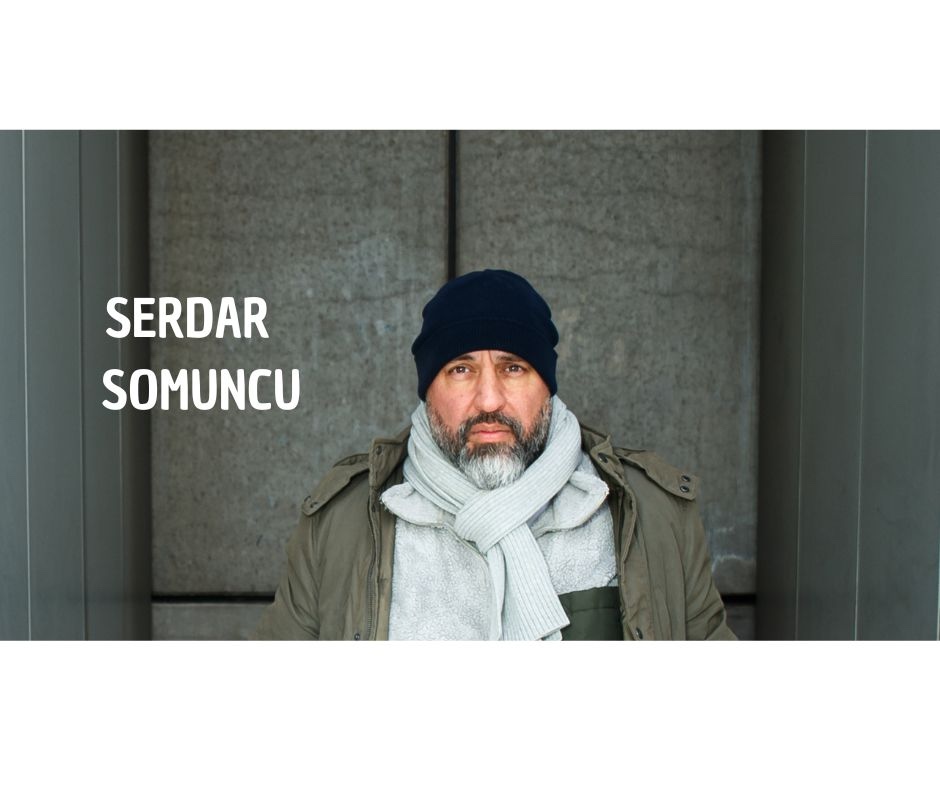
By Serdar Somuncu
By Serdar Somuncu
In the ZDF news program "heute journal," she strongly condemned the attack, but in the same breath stated that Kirk was known for "often abhorrent, racist, sexist, and misanthropic statements." With this choice of words, she came across, in the moment of greatest shock, less as a dispassionate assessment and more as a moral judgment. What may have been intended as contextualization was perceived by many as disrespectful.
Herein lies a core problem of modern journalism: it operates within a tension between information, interpretation, and positioning. Hayali presents herself as a neutral journalist, but her choice of topics and her style of presentation repeatedly reveal a political ambition that goes beyond mere reporting. Of course, it is the task of journalism not only to report but also to contextualize. But the question is whether this contextualization was necessary at that moment--and whether it meets the moral standards expected of public service media.
Timing makes all the difference. Immediately after a murder, many viewers expect empathy and restraint, not a recollection of the victim's questionable qualities. The moment Hayali listed Kirk's statements, the focus shifted away from the crime itself and toward a political judgment. This not only postponed the public debate but also opened up a narrative that plays into the hands of both political camps: for one, it serves as proof of "left-wing bias," while for the other, it provides an opportunity to emphasize once again how dangerous Kirk's rhetoric was.
The dynamic behind this is not new. Throughout history, victims of political violence have been turned into symbolic figures--martyrs whose deaths were exploited. This is particularly striking in the case of Horst Wessel, whose murder in 1930 was glorified into a legend by the National Socialists and exploited for propaganda purposes for years. But comparable mechanisms can also be observed more recently: The death of George Floyd in the USA in 2020--despite all the differences in context--immediately became a global symbol of structural racism. His murder led to a massive social movement that, on the one hand, enabled enlightenment and change, but on the other hand, also opened new fronts whose effects are still felt today. A similar situation exists with the murder of Walter Lübcke. The 2019 murder in Germany, which was interpreted as evidence of the danger posed by far-right networks and subsequently used extensively in political debates, is another example. The 1963 assassination of John F. Kennedy, the circumstances of which continue to fuel conspiracy theories, is another instance of how a political murder can become a collective projection screen.
As different as these cases are, they all demonstrate how quickly an act can lose its original core and instead become a stage for narratives. A murder becomes a projection surface from which political extremists capitalize. Right-wing groups will use Charlie Kirk as a symbolic figure to denounce "left-wing violence" and "media hypocrisy." Left-wing groups, on the other hand, could continue to cite him as a cautionary example of reactionary rhetoric. In both cases, the focus is no longer on Kirk the person or the act itself, but on what can be politically derived from his death.
The fact that Hayali's moderation contained precisely such a value judgment at this moment opens this door unnecessarily wide. She had the opportunity to To maintain respect while still addressing the controversies objectively--perhaps in a later article, once the immediate shockwave had subsided--her commentary itself became the trigger for a debate that is now attracting more attention than the actual circumstances of the act.
In this context, the question of how journalists themselves react to criticism is also interesting. Time and again, the terms "threats" and "hate" are used when a controversial statement encounters backlash. Undoubtedly, insults and unspeakable comments exist online. But isn't invoking this extreme form of reaction also a defense mechanism to deflect legitimate criticism? Those who avoid criticism by equating it with hate speech ultimately strengthen opposing sides and weaken the demand for self-reflection. Especially in journalism, criticism should be tolerated and discussed--and not hastily reinterpreted as an attack on press freedom.
The debate surrounding Hayali's introduction thus makes several things clear: First, how narrow the line is between necessary contextualization and critical analysis. and inappropriate provocation. Secondly, how easily such moments are instrumentalized by all political sides to reinforce their own narratives. And thirdly, how important it is that both journalists aEven their critics should exercise restraint.
Because one thing must not be overlooked: Any form of extremism, whether journalistic in the form of moralizing or political in the form of insults, incitement, or campaigns, undermines the foundations of democratic discourse. Those who claim to educate, inform, and criticize must also be open to self-criticism. Criticism must not be mistaken for hatred. Only in this way can the public sphere remain what it should be: a space for debate, not an arena for mutual destruction.
September 15, 2025
©Serdar Somuncu
The new book - Lies - A Cultural History of a Human Weakness
*Serdar Somuncu is an actor and director
CLICK HERE FOR THE NEW BOOK
Herein lies a core problem of modern journalism: it operates within a tension between information, interpretation, and positioning. Hayali presents herself as a neutral journalist, but her choice of topics and her style of presentation repeatedly reveal a political ambition that goes beyond mere reporting. Of course, it is the task of journalism not only to report but also to contextualize. But the question is whether this contextualization was necessary at that moment--and whether it meets the moral standards expected of public service media.
Timing makes all the difference. Immediately after a murder, many viewers expect empathy and restraint, not a recollection of the victim's questionable qualities. The moment Hayali listed Kirk's statements, the focus shifted away from the crime itself and toward a political judgment. This not only postponed the public debate but also opened up a narrative that plays into the hands of both political camps: for one, it serves as proof of "left-wing bias," while for the other, it provides an opportunity to emphasize once again how dangerous Kirk's rhetoric was.
The dynamic behind this is not new. Throughout history, victims of political violence have been turned into symbolic figures--martyrs whose deaths were exploited. This is particularly striking in the case of Horst Wessel, whose murder in 1930 was glorified into a legend by the National Socialists and exploited for propaganda purposes for years. But comparable mechanisms can also be observed more recently: The death of George Floyd in the USA in 2020--despite all the differences in context--immediately became a global symbol of structural racism. His murder led to a massive social movement that, on the one hand, enabled enlightenment and change, but on the other hand, also opened new fronts whose effects are still felt today. A similar situation exists with the murder of Walter Lübcke. The 2019 murder in Germany, which was interpreted as evidence of the danger posed by far-right networks and subsequently used extensively in political debates, is another example. The 1963 assassination of John F. Kennedy, the circumstances of which continue to fuel conspiracy theories, is another instance of how a political murder can become a collective projection screen.
As different as these cases are, they all demonstrate how quickly an act can lose its original core and instead become a stage for narratives. A murder becomes a projection surface from which political extremists capitalize. Right-wing groups will use Charlie Kirk as a symbolic figure to denounce "left-wing violence" and "media hypocrisy." Left-wing groups, on the other hand, could continue to cite him as a cautionary example of reactionary rhetoric. In both cases, the focus is no longer on Kirk the person or the act itself, but on what can be politically derived from his death.
The fact that Hayali's moderation contained precisely such a value judgment at this moment opens this door unnecessarily wide. She had the opportunity to To maintain respect while still addressing the controversies objectively--perhaps in a later article, once the immediate shockwave had subsided--her commentary itself became the trigger for a debate that is now attracting more attention than the actual circumstances of the act.
In this context, the question of how journalists themselves react to criticism is also interesting. Time and again, the terms "threats" and "hate" are used when a controversial statement encounters backlash. Undoubtedly, insults and unspeakable comments exist online. But isn't invoking this extreme form of reaction also a defense mechanism to deflect legitimate criticism? Those who avoid criticism by equating it with hate speech ultimately strengthen opposing sides and weaken the demand for self-reflection. Especially in journalism, criticism should be tolerated and discussed--and not hastily reinterpreted as an attack on press freedom.
The debate surrounding Hayali's introduction thus makes several things clear: First, how narrow the line is between necessary contextualization and critical analysis. and inappropriate provocation. Secondly, how easily such moments are instrumentalized by all political sides to reinforce their own narratives. And thirdly, how important it is that both journalists aEven their critics should exercise restraint.
Because one thing must not be overlooked: Any form of extremism, whether journalistic in the form of moralizing or political in the form of insults, incitement, or campaigns, undermines the foundations of democratic discourse. Those who claim to educate, inform, and criticize must also be open to self-criticism. Criticism must not be mistaken for hatred. Only in this way can the public sphere remain what it should be: a space for debate, not an arena for mutual destruction.
September 15, 2025
©Serdar Somuncu
The new book - Lies - A Cultural History of a Human Weakness
*Serdar Somuncu is an actor and director
CLICK HERE FOR THE NEW BOOK
Write a comment