Charlie Kirk and the Propaganda of Tragedy
When sixteen people (including the perpetrators) died in a mass shooting at Columbine High School in Denver on April 20, 1999, it didn't take long for a scapegoat to be found in the form of a provocative American metal band. In the 2000s and 2010s, debates about gun violence in schools all too often got bogged down in the demonization of so-called "killer video games." The murder of political influencer Charlie Kirk is yet another example of how a tragedy can immediately become a projection screen for ideology, even before the body is cold.
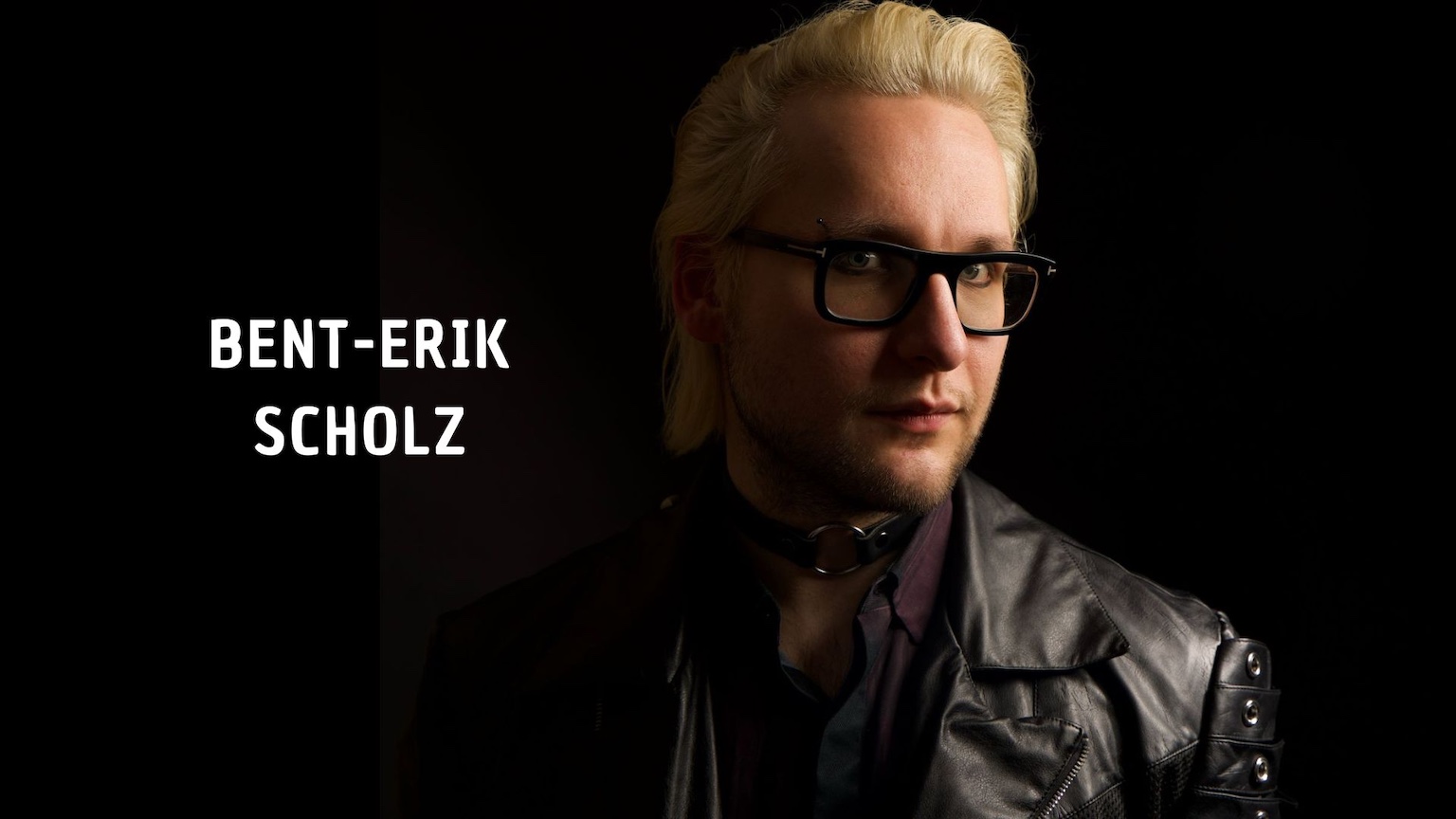
By Bent Erik Scholz
By Bent Erik Scholz
Charlie Kirk was considered a leading figure in the conservative spectrum on social media. US President Donald Trump said he owed his re-election in part to Kirk's TikTok activity. He made Republican positions socially acceptable, preached biblical literalism, was a vehement opponent of abortion, and a proponent of gun ownership. His preferred format, which was frequently copied, involved Kirk entering university circles, setting up a booth where he invited political opponents to debate. The fact that he often used killer arguments, exploited his superior preparation time compared to his interlocutors, and appeared confident but by no means always fair--that's beside the point. That some of his statements are difficult for some, including myself, to stomach is equally true.
Because Charlie Kirk was also a private individual; he was a family man. His wife and daughter were both present at the event where he was shot. They had to watch as their husband, their father, was taken from life by a precise shot to the neck. A bang, a jolt through the entire body, then a great deal of blood, and a man slumps, falls from his chair, and is dead.
This is a moment when it's wise to hold back for a brief moment. Such a direct confrontation with such a brutal death should, in any reasonable person, at least in terms of their own commentary on the situation, evoke a degree of humility. But what happens instead? Charlie Kirk is barely officially declared dead when his murder is already being used as political capital. Not even 24 hours, not even a night passes before Kirk is turned into a meme by some and a martyr by others. Unpixelated images of the fatal shot spread like wildfire across social media, and one wonders how much this has to do with human dignity--satisfying one's voyeuristic lust for a brutal death.
It's an interesting peculiarity of contemporary politics that everything is immediately released for dissemination, that there seem to be no scruples left, not a single moment in which political figures or commentators can maintain a clear head enough not to pounce on the next available headline. It takes minutes for numerous statements to appear. Not even a suspect has been arrested before everyone already believes they know exactly what happened and how it should be interpreted.
The morning after Kirk's murder, the news channel WELT invites commentator Gunnar Schupelius. He is immediately certain: "This is simply a sign of the atmosphere prevailing at American universities. An atmosphere of intolerance. Hatred is being stirred up here against everything that is classified as conservative and right-wing, or actually is, by the active left, the woke movement at universities." [...] Here too, conservatives have nothing more to say at universities and hardly dare to appear there with a pronounced conservative or right-wing political stance. This means that we are also on the verge of violence at universities, if you look at it very closely, and of the hegemony of the left, which dominates the universities." The incident had only occurred a few hours earlier. At that point, not even the FBI knew who was behind the murder, but Schupelius was certain: it must be a latently violent left that inherently threatens us all, including in Germany--a dictatorship of opinion that knows no restraint when it comes to opponents of the regime.
Even the most ardent critics of academically privileged left-liberalism, whose influence in the university milieu no one would deny, must find this populist fearmongering and incitement cynical. Especially since many of the responses to the attack, which can be followed online, almost seem like a revenge impulse. The comparison to George Floyd is frequently drawn, after whose death there were also rapid and highly politicized reactions. The content of this comparison is... However, it is rare that both fates are shown any respect; rather, there is an almost indignant undertone that George Floyd's death receives any political attention at all. As if both could not be equally horrific.
This is the disease of modern discourse: there are too many tragedies whose exploitation by activists and commentators is not opportune enough to be pushed into the public narrative. On September 7, three days before Kirk's murder, there were three shootings in the United States. In a bar in Ohio, an argument between some teenagers and young adults escalated,Six people were injured. In Texas, a shooting from a moving car resulted in two deaths. In Cleveland, four children and teenagers between the ages of 3 and 15 were shot. Violent crimes involving firearms are a tragic reality in the United States. People die almost daily as a result of shootings.
Given this situation, any form of exploitation, as well as any form of mockery, is completely unacceptable. No matter how controversial Charlie Kirk may have been, no one deserves to be shot, even for potentially questionable positions. This is often forgotten, especially when dealing with celebrities. Those who are so much in the public eye often lose a part of their humanity in the eyes of the public. It is one of the downsides that comes with this kind of exposure. Within minutes of the news of the assassination, quotes from Kirk were shared on social media. Among them were statements like the one from 2023, when Kirk essentially said that the right to bear arms was, unfortunately, worth a few deaths from gun violence each year. To dredge up this quote again in its unfortunate new context is, of course, obvious, but above all, it's cheap. Imagine if it hadn't been some obscure internet figure who died this way, but an uncle, a neighbor, or a coworker. In online threads, someone posts a snide comment about those who emphasize that Charlie Kirk was also a husband and father in addition to his political role, writing, in an attempt to ridicule the posthumous respect, that the same could be said of Hitler. Not only is this overused Hitler comparison disrespectful to the victims of the Nazi dictatorship, but in this case, it's also particularly absurd because it's factually incorrect.
Cases of selective sensitivity and grief are becoming increasingly common in the United States. Whether it's the case of a Ukrainian woman stabbed to death on the subway or the mass shooting by an apparently transgender perpetrator, the largest such incident this year. They happen, and are immediately exploited to push agendas, by one side or the other. How clumsy and opportunistic this is becomes clear when these tragedies are used to silence critics. This has been happening with increasing frequency lately, especially since the attempted assassination of Donald Trump. In Charlie Kirk's case, even the US president participated in this with an official statement.
Late-night host Stephen Colbert opened his show the night after Kirk's attack with a measured, restrained monologue in which he said he sincerely hoped this form of political violence was not an indication of what lay ahead for the United States. He was torn apart on Twitter for this, even accused of complicity, since Colbert was one of the loudest and occasionally more polemical critics of Trump and his movement. As if everyone you argue with deserves a gruesome death. Dean Withers, a well-known supporter of the Democratic Party on social media, was live-streaming when news of Kirk's death broke. Tears welled up in his eyes, and he, too, was immediately subjected to a barrage of derision, mockery, and accusations of complicity, particularly from Republicans. He was accused of stoking hatred against conservatives, of having Kirk's blood on his hands. A look at Dean Withers' content reveals a striking resemblance, in its structure, to Charlie Kirk's, albeit from the opposing political perspective.
All these verbal skirmishes are distractions, designed to instill fear of their neighbors through insidious propaganda at a time when a collective pause and regrouping would be appropriate. Solidarity and level-headedness are simply no longer desired in our media-driven age. These days, however, the scapegoats are rarely rock musicians or video game developers. But enemy images continue to sell, whether it's the latently violent left-wing extremist who supposedly enforces the abolition of all hierarchy, convention, and reason, if necessary with absolute brutality--or the Nazi who immediately guns down anything that doesn't conform to his ideal image of the Übermensch. Or: the radically religious, primitive killer who inherently threatens the progressive and secularized West. The debate, therefore, consists of accusing the opponent of being close to this or that extreme and thus demanding their silencing or even extermination.
After an attack like the one on Charlie Kirk, media professionals, so-called analysts, and social media pundits immediately have a plethora of answers ready. Questions, however, are rarely asked. For example, this one:
How can it be that in such an event...How could there have been no comprehensive entry checks, as eyewitnesses report?
How could they have forgotten to secure the surrounding rooftops?
What does the incredible precision of the fatal shot at a moving target say about the shooter?
What role did the negligence of the security personnel play in the murder?
Have we learned nothing from the attempted assassination of Donald Trump?
We accepted the risk?
Is it really a good idea to enshrine the right to bear arms as a fundamental right?
"This text was written before the arrest of a suspect."
September 12, 2025
*Bent-Erik Scholz works as a freelancer for RBB
Because Charlie Kirk was also a private individual; he was a family man. His wife and daughter were both present at the event where he was shot. They had to watch as their husband, their father, was taken from life by a precise shot to the neck. A bang, a jolt through the entire body, then a great deal of blood, and a man slumps, falls from his chair, and is dead.
This is a moment when it's wise to hold back for a brief moment. Such a direct confrontation with such a brutal death should, in any reasonable person, at least in terms of their own commentary on the situation, evoke a degree of humility. But what happens instead? Charlie Kirk is barely officially declared dead when his murder is already being used as political capital. Not even 24 hours, not even a night passes before Kirk is turned into a meme by some and a martyr by others. Unpixelated images of the fatal shot spread like wildfire across social media, and one wonders how much this has to do with human dignity--satisfying one's voyeuristic lust for a brutal death.
It's an interesting peculiarity of contemporary politics that everything is immediately released for dissemination, that there seem to be no scruples left, not a single moment in which political figures or commentators can maintain a clear head enough not to pounce on the next available headline. It takes minutes for numerous statements to appear. Not even a suspect has been arrested before everyone already believes they know exactly what happened and how it should be interpreted.
The morning after Kirk's murder, the news channel WELT invites commentator Gunnar Schupelius. He is immediately certain: "This is simply a sign of the atmosphere prevailing at American universities. An atmosphere of intolerance. Hatred is being stirred up here against everything that is classified as conservative and right-wing, or actually is, by the active left, the woke movement at universities." [...] Here too, conservatives have nothing more to say at universities and hardly dare to appear there with a pronounced conservative or right-wing political stance. This means that we are also on the verge of violence at universities, if you look at it very closely, and of the hegemony of the left, which dominates the universities." The incident had only occurred a few hours earlier. At that point, not even the FBI knew who was behind the murder, but Schupelius was certain: it must be a latently violent left that inherently threatens us all, including in Germany--a dictatorship of opinion that knows no restraint when it comes to opponents of the regime.
Even the most ardent critics of academically privileged left-liberalism, whose influence in the university milieu no one would deny, must find this populist fearmongering and incitement cynical. Especially since many of the responses to the attack, which can be followed online, almost seem like a revenge impulse. The comparison to George Floyd is frequently drawn, after whose death there were also rapid and highly politicized reactions. The content of this comparison is... However, it is rare that both fates are shown any respect; rather, there is an almost indignant undertone that George Floyd's death receives any political attention at all. As if both could not be equally horrific.
This is the disease of modern discourse: there are too many tragedies whose exploitation by activists and commentators is not opportune enough to be pushed into the public narrative. On September 7, three days before Kirk's murder, there were three shootings in the United States. In a bar in Ohio, an argument between some teenagers and young adults escalated,Six people were injured. In Texas, a shooting from a moving car resulted in two deaths. In Cleveland, four children and teenagers between the ages of 3 and 15 were shot. Violent crimes involving firearms are a tragic reality in the United States. People die almost daily as a result of shootings.
Given this situation, any form of exploitation, as well as any form of mockery, is completely unacceptable. No matter how controversial Charlie Kirk may have been, no one deserves to be shot, even for potentially questionable positions. This is often forgotten, especially when dealing with celebrities. Those who are so much in the public eye often lose a part of their humanity in the eyes of the public. It is one of the downsides that comes with this kind of exposure. Within minutes of the news of the assassination, quotes from Kirk were shared on social media. Among them were statements like the one from 2023, when Kirk essentially said that the right to bear arms was, unfortunately, worth a few deaths from gun violence each year. To dredge up this quote again in its unfortunate new context is, of course, obvious, but above all, it's cheap. Imagine if it hadn't been some obscure internet figure who died this way, but an uncle, a neighbor, or a coworker. In online threads, someone posts a snide comment about those who emphasize that Charlie Kirk was also a husband and father in addition to his political role, writing, in an attempt to ridicule the posthumous respect, that the same could be said of Hitler. Not only is this overused Hitler comparison disrespectful to the victims of the Nazi dictatorship, but in this case, it's also particularly absurd because it's factually incorrect.
Cases of selective sensitivity and grief are becoming increasingly common in the United States. Whether it's the case of a Ukrainian woman stabbed to death on the subway or the mass shooting by an apparently transgender perpetrator, the largest such incident this year. They happen, and are immediately exploited to push agendas, by one side or the other. How clumsy and opportunistic this is becomes clear when these tragedies are used to silence critics. This has been happening with increasing frequency lately, especially since the attempted assassination of Donald Trump. In Charlie Kirk's case, even the US president participated in this with an official statement.
Late-night host Stephen Colbert opened his show the night after Kirk's attack with a measured, restrained monologue in which he said he sincerely hoped this form of political violence was not an indication of what lay ahead for the United States. He was torn apart on Twitter for this, even accused of complicity, since Colbert was one of the loudest and occasionally more polemical critics of Trump and his movement. As if everyone you argue with deserves a gruesome death. Dean Withers, a well-known supporter of the Democratic Party on social media, was live-streaming when news of Kirk's death broke. Tears welled up in his eyes, and he, too, was immediately subjected to a barrage of derision, mockery, and accusations of complicity, particularly from Republicans. He was accused of stoking hatred against conservatives, of having Kirk's blood on his hands. A look at Dean Withers' content reveals a striking resemblance, in its structure, to Charlie Kirk's, albeit from the opposing political perspective.
All these verbal skirmishes are distractions, designed to instill fear of their neighbors through insidious propaganda at a time when a collective pause and regrouping would be appropriate. Solidarity and level-headedness are simply no longer desired in our media-driven age. These days, however, the scapegoats are rarely rock musicians or video game developers. But enemy images continue to sell, whether it's the latently violent left-wing extremist who supposedly enforces the abolition of all hierarchy, convention, and reason, if necessary with absolute brutality--or the Nazi who immediately guns down anything that doesn't conform to his ideal image of the Übermensch. Or: the radically religious, primitive killer who inherently threatens the progressive and secularized West. The debate, therefore, consists of accusing the opponent of being close to this or that extreme and thus demanding their silencing or even extermination.
After an attack like the one on Charlie Kirk, media professionals, so-called analysts, and social media pundits immediately have a plethora of answers ready. Questions, however, are rarely asked. For example, this one:
How can it be that in such an event...How could there have been no comprehensive entry checks, as eyewitnesses report?
How could they have forgotten to secure the surrounding rooftops?
What does the incredible precision of the fatal shot at a moving target say about the shooter?
What role did the negligence of the security personnel play in the murder?
Have we learned nothing from the attempted assassination of Donald Trump?
We accepted the risk?
Is it really a good idea to enshrine the right to bear arms as a fundamental right?
"This text was written before the arrest of a suspect."
September 12, 2025
*Bent-Erik Scholz works as a freelancer for RBB
Write a comment