Between rupture and movement - the balance of a troubled year
2025 is a year that doesn't stand still. It forces the present, questions certainties, and pushes society into an uncomfortable honesty. Politics, culture, and the public sphere no longer run parallel, but collide. The comforting narrative of stability no longer holds. This year seems determined to compel society to mature.
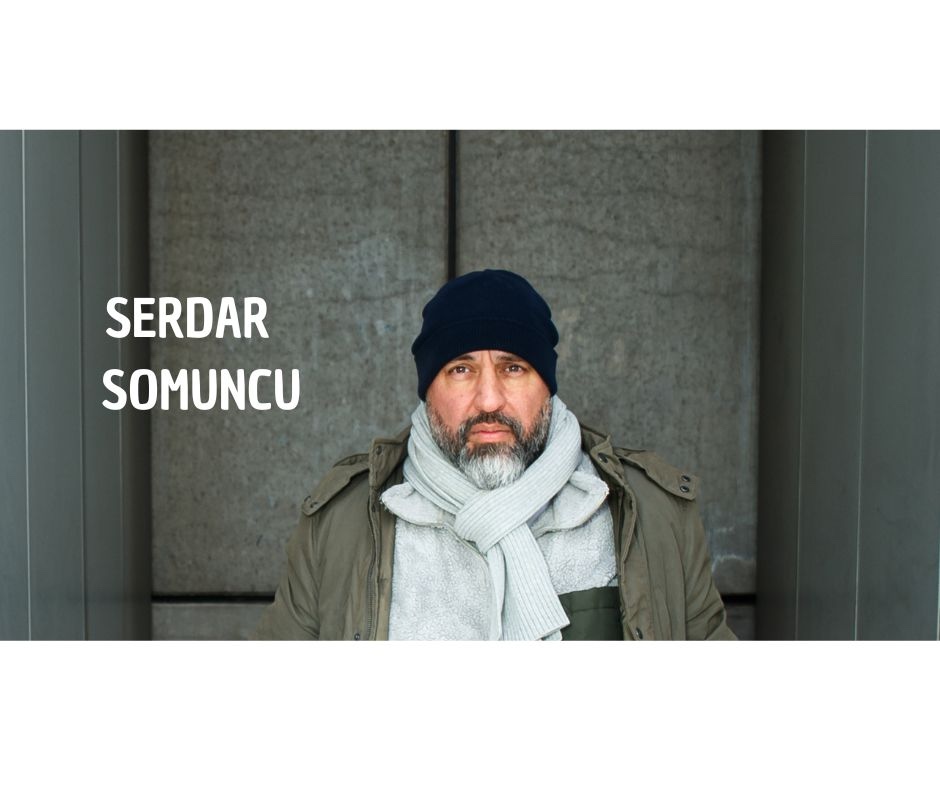
By Serdar Somuncu
By Serdar Somuncu
Germany is bearing the consequences of a decision made as early as December 2024: Olaf Scholz calls for a vote of confidence - and loses. Thus, 2025 begins under a cloud of political uncertainty. The coalition, already paralyzed by budget disputes, collapses. The announcement of new elections is less a new beginning than an admission of a loss of touch with reality. The "special fund," touted for years as a political panacea, now stands as a symbol of an era of rhetorical accounting.
While the government teeters, the political climate shifts. The AfD grows - fueled not by visions of the future, but by the growing frustration of many voters. At the same time, the BSW experiences a spectacular short-lived rise: a rapid ascent, an overheated media frenzy, and an equally rapid decline. 2025 demonstrates that political movements can function like trendy products: briefly exciting, quickly exhausted.
Internationally, the world remains in turmoil. The Gaza conflict polarizes and exhausts at the same time. Russia is expanding its geopolitical sphere of influence--coolly, calculatingly, without haste. Western governments are reacting tentatively, sometimes nervously. 2025 is the year in which the global balance of power visibly shifts--not through major upheavals, but through the slow erosion of political certainties.
At the same time, Europe is experiencing a moment of collective mourning: The death of Margot Friedländer marks the end of an era. With her passing, one of the last living voices of the Holocaust dies. Her death is more than a news event--it is a historical and emotional turning point. And while the political establishment offers dignified condolences, the discrepancy grows on the streets: antisemitic protests, loud and uninhibited, dominate the scene in numerous European cities.
Above: Commemorative speeches, admonitions, pledges of responsibility.
Below: Slogans, aggression, destruction of symbols.
2025 mercilessly demonstrates how far the culture of remembrance and reality can drift apart.
Amidst these tensions, even moral icons come under pressure. Greta Thunberg, long considered the climate conscience of the West, attempts to find a new role in the conflict - and fails. In 2025, her actions appear forced, highly politicized, and ultimately counterproductive. The imitators who mimic her style amplify this effect. It is the year in which a segment of the public recognizes how quickly moral movements can tip into ritualization.
In the US, the murder of Charlie Kirk - without any graphic depiction - shakes the political landscape. It becomes a stark reminder of an escalation that turns words into deeds. A moment of national shock, demonstrating how thin the line between political polarization and personal danger has become.
A cultural rupture also occurs. The debate surrounding Thomas Gottschalk reveals how mechanical outrage reactions have become. For a long time, the moral rigor of wokeness was considered the dominant driving force; By 2025, its influence will noticeably diminish. The public won't succumb to cynicism--but it will turn away from moral clichés.
At the same time, culture will experience a renaissance of the analog. Halls will fill up, stages will come alive, and people will seek intimacy, immediacy, and unfiltered experiences. In 2025, culture will become the antithesis to the overheating of digital spaces and the ongoing political crisis. It won't provide the big answers--but it will ask the better questions.
Technologically, 2025 will remain a year of ambivalence. AI is both a promise of salvation and a threat. Yet science will continue its work beyond the rhetorical overreach: breakthroughs in AI-supported early cancer detection, advances in energy technology, and new diagnostic systems demonstrate that the technological future doesn't arise from visions, but from quiet, focused research.
And so, 2025 will ultimately stand as a year that doesn't reassure society, but rather brings clarity. A year that reveals just how stable instability truly is. That political myths crumble, but societal resilience grows. And that conflict is not decay - but perhaps the only way in which a modern society can renew itself.
December 19, 2025
©Serdar Somuncu
"The new book - Lies - A Cultural History of a Human Weakness"
*Serdar Somuncu is an actor and directord director
LINK TO THE NEW BOOK
While the government teeters, the political climate shifts. The AfD grows - fueled not by visions of the future, but by the growing frustration of many voters. At the same time, the BSW experiences a spectacular short-lived rise: a rapid ascent, an overheated media frenzy, and an equally rapid decline. 2025 demonstrates that political movements can function like trendy products: briefly exciting, quickly exhausted.
Internationally, the world remains in turmoil. The Gaza conflict polarizes and exhausts at the same time. Russia is expanding its geopolitical sphere of influence--coolly, calculatingly, without haste. Western governments are reacting tentatively, sometimes nervously. 2025 is the year in which the global balance of power visibly shifts--not through major upheavals, but through the slow erosion of political certainties.
At the same time, Europe is experiencing a moment of collective mourning: The death of Margot Friedländer marks the end of an era. With her passing, one of the last living voices of the Holocaust dies. Her death is more than a news event--it is a historical and emotional turning point. And while the political establishment offers dignified condolences, the discrepancy grows on the streets: antisemitic protests, loud and uninhibited, dominate the scene in numerous European cities.
Above: Commemorative speeches, admonitions, pledges of responsibility.
Below: Slogans, aggression, destruction of symbols.
2025 mercilessly demonstrates how far the culture of remembrance and reality can drift apart.
Amidst these tensions, even moral icons come under pressure. Greta Thunberg, long considered the climate conscience of the West, attempts to find a new role in the conflict - and fails. In 2025, her actions appear forced, highly politicized, and ultimately counterproductive. The imitators who mimic her style amplify this effect. It is the year in which a segment of the public recognizes how quickly moral movements can tip into ritualization.
In the US, the murder of Charlie Kirk - without any graphic depiction - shakes the political landscape. It becomes a stark reminder of an escalation that turns words into deeds. A moment of national shock, demonstrating how thin the line between political polarization and personal danger has become.
A cultural rupture also occurs. The debate surrounding Thomas Gottschalk reveals how mechanical outrage reactions have become. For a long time, the moral rigor of wokeness was considered the dominant driving force; By 2025, its influence will noticeably diminish. The public won't succumb to cynicism--but it will turn away from moral clichés.
At the same time, culture will experience a renaissance of the analog. Halls will fill up, stages will come alive, and people will seek intimacy, immediacy, and unfiltered experiences. In 2025, culture will become the antithesis to the overheating of digital spaces and the ongoing political crisis. It won't provide the big answers--but it will ask the better questions.
Technologically, 2025 will remain a year of ambivalence. AI is both a promise of salvation and a threat. Yet science will continue its work beyond the rhetorical overreach: breakthroughs in AI-supported early cancer detection, advances in energy technology, and new diagnostic systems demonstrate that the technological future doesn't arise from visions, but from quiet, focused research.
And so, 2025 will ultimately stand as a year that doesn't reassure society, but rather brings clarity. A year that reveals just how stable instability truly is. That political myths crumble, but societal resilience grows. And that conflict is not decay - but perhaps the only way in which a modern society can renew itself.
December 19, 2025
©Serdar Somuncu
"The new book - Lies - A Cultural History of a Human Weakness"
*Serdar Somuncu is an actor and directord director
LINK TO THE NEW BOOK
Write a comment