Myth of birth
The child born in Bethlehem has long since died. He was executed barely thirty years later, but we prefer not to dwell on that. An outsider might therefore dismiss the Christian fervor surrounding the birth of Jesus as ignorant. We do, in any case, tend to have a strange fixation on birthdays, even after the person's death. Shouldn't Christmas, then, have long since fallen victim to the enlightenment of rational thought? Certainly, if one were to reduce it to its historical significance. If only there weren't something touching beneath the surface of the Christmas bustle and folklore, a thought or a feeling that stirs our hearts and awakens premonitions. It is the myth, the archetypal event of birth.
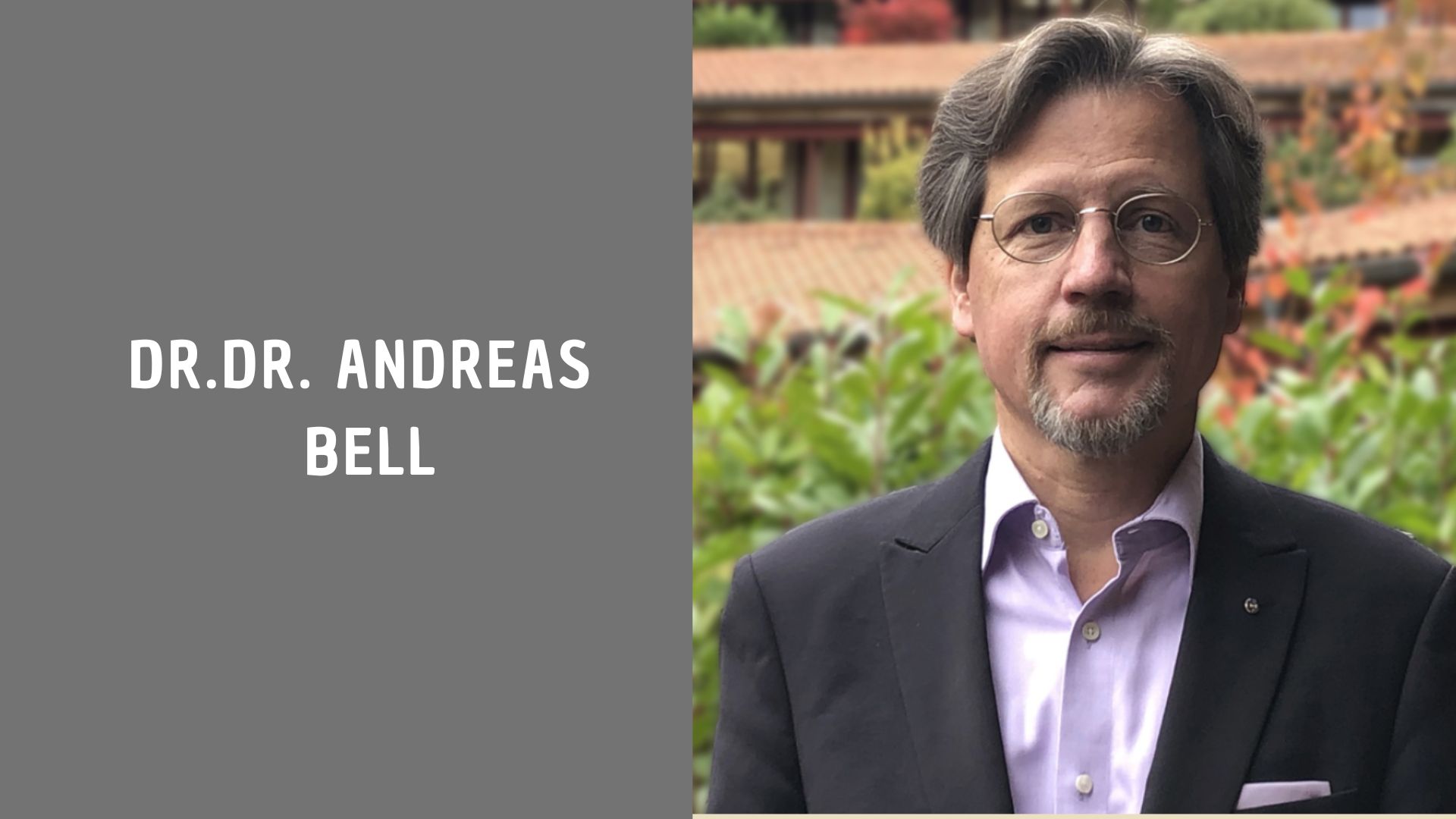
By Dr. Dr. Andreas Bell
By Dr. Dr. Andreas Bell
Our birth is an event that most certainly took place in our lives, yet left behind neither memories nor images. A bloody and violent occurrence, one we might prefer not to remember. Tears undoubtedly flowed at our birth, whether from pain or overwhelming joy. It's possible the father was present, but at best helpless in the face of the shattering event, which he may not yet have experienced. Yet, in the preceding months, amidst all the anticipation, he must have constantly suffered the passive role of spectator. At conception, he deposited his genetic material into the mother, who united it with her own and embraced it with her flesh and blood. But then he became an outsider to the inner turmoil. If the mother hadn't already shown her child the inner image of the father during the time she carried it in her womb, the child would have been alone, fatherless, for its entire life. Thus, scarcely having left its mother, it gradually begins to remember him, whose legacy and inner image it carries and whom it now slowly sees with its own eyes.
Even the witnesses to the birth cannot escape the force of the event. In their speechlessness, they find religious words, provided they haven't long since forgotten this language. They say "in good hope" and perhaps "blessed womb," they speak of "conception" and "childbirth." They feel like witnesses to a secret event, something sublime that ennobles them because they were present.
Hardly anyone realizes at that moment that something lasting is being created. Birth is perhaps the only completely irrevocable act in the life of a newborn. A window opens, for a fleeting moment, to a forbidden land, and through it steps a human being, a messenger from the otherworldly, mysterious realm. And for a tiny instant, we believe we catch a glimpse of this world before the window closes again and the new person becomes one of us. No one considers that this window will open only once more, namely at the end of their dying.
Fathers need time to grasp that this child is their own. They cannot imagine forming a child within themselves, nurturing it, and giving birth to it. If they didn't feel such fear of what happens without their intervention, they would be filled with deep envy. Men are the ones who give birth in their heads. Their conception is the idea, their pregnancy the planning, and the birth the ecstatic creation. Perhaps many a great male achievement is merely a desperate imitation of what they have been denied.
But women, too, give birth with their heads. Rarely when they bring biological children into the world; often instead. Be it because biology forbids them from giving birth, or because of their own life plan. Or because their biological children are grown and their bodies now signal that a new era is dawning. It is no coincidence that almost all successful women in public life are at an age where they have given up trying to wrest another biological child from life. Instead, they begin to carry inner children to term. Divine children arise in the unconscious, spiritual children that signify far more than any physical child ever could: It is possible that a creative gift is expressed and bears fruit, perhaps a life's purpose in the social, political, or spiritual world. The woman then renews herself in the inner child and learns to give birth to herself anew.
When the mature person experiences themselves as procreating and giving birth, this maturation releases a new capacity for love. At the same time, a great longing for love arises, free from any projection, truly directed toward the other. Children of flesh and blood can be misguided, but the inner child is divine.
Christmas is the festival of birth. We celebrate the mysterious event and overlay it with golden splendor. But the child of the Christmas birth is not of flesh and blood. It does not cry, does not need to be breastfed. It is a divine child. A birth of the mind, or rather, a birth of the mouth. For God's Word is the child. Instead of needing to comfort and embrace it, it brings us joy. We lay our heads in its lap and surrender ourselves to it in our hearts. In its birth, we ourselves are reborn. Jesus' birth is only the outward occasion for Christmas. The reason for the Christmas event is the appearance of Christ in this world. The utterly otherworldly God, the transcendent creator of the universe, leaves his otherworldliness behind and appears as an ordinary human being to make himself heard. His message is the true, genuine child whose arrival in the world we celebrate. The message of our royal lineage, our true meaning, The message of our royal lineage, our true meaning, the message of our invisible yet all-determining value.
Gazing at the delightful newborn with its mature bearing and celestial halo, we ourselves bring children into the world. Whoever passes on the message becomes a mother. The father stands by. For he conceived the child before the beginning of time.
December 24, 2025
by Dr. Dr. Andreas Bell
Studied chemistry, philosophy, and theology; worked in sports medicine and medical ethics; lectured in medical and business ethics; trained in psychoanalysis and practiced as a psychotherapist; deacon; lived and died sometime in Cologne.
LINK TO THE NEW BOOK
Even the witnesses to the birth cannot escape the force of the event. In their speechlessness, they find religious words, provided they haven't long since forgotten this language. They say "in good hope" and perhaps "blessed womb," they speak of "conception" and "childbirth." They feel like witnesses to a secret event, something sublime that ennobles them because they were present.
Hardly anyone realizes at that moment that something lasting is being created. Birth is perhaps the only completely irrevocable act in the life of a newborn. A window opens, for a fleeting moment, to a forbidden land, and through it steps a human being, a messenger from the otherworldly, mysterious realm. And for a tiny instant, we believe we catch a glimpse of this world before the window closes again and the new person becomes one of us. No one considers that this window will open only once more, namely at the end of their dying.
Fathers need time to grasp that this child is their own. They cannot imagine forming a child within themselves, nurturing it, and giving birth to it. If they didn't feel such fear of what happens without their intervention, they would be filled with deep envy. Men are the ones who give birth in their heads. Their conception is the idea, their pregnancy the planning, and the birth the ecstatic creation. Perhaps many a great male achievement is merely a desperate imitation of what they have been denied.
But women, too, give birth with their heads. Rarely when they bring biological children into the world; often instead. Be it because biology forbids them from giving birth, or because of their own life plan. Or because their biological children are grown and their bodies now signal that a new era is dawning. It is no coincidence that almost all successful women in public life are at an age where they have given up trying to wrest another biological child from life. Instead, they begin to carry inner children to term. Divine children arise in the unconscious, spiritual children that signify far more than any physical child ever could: It is possible that a creative gift is expressed and bears fruit, perhaps a life's purpose in the social, political, or spiritual world. The woman then renews herself in the inner child and learns to give birth to herself anew.
When the mature person experiences themselves as procreating and giving birth, this maturation releases a new capacity for love. At the same time, a great longing for love arises, free from any projection, truly directed toward the other. Children of flesh and blood can be misguided, but the inner child is divine.
Christmas is the festival of birth. We celebrate the mysterious event and overlay it with golden splendor. But the child of the Christmas birth is not of flesh and blood. It does not cry, does not need to be breastfed. It is a divine child. A birth of the mind, or rather, a birth of the mouth. For God's Word is the child. Instead of needing to comfort and embrace it, it brings us joy. We lay our heads in its lap and surrender ourselves to it in our hearts. In its birth, we ourselves are reborn. Jesus' birth is only the outward occasion for Christmas. The reason for the Christmas event is the appearance of Christ in this world. The utterly otherworldly God, the transcendent creator of the universe, leaves his otherworldliness behind and appears as an ordinary human being to make himself heard. His message is the true, genuine child whose arrival in the world we celebrate. The message of our royal lineage, our true meaning, The message of our royal lineage, our true meaning, the message of our invisible yet all-determining value.
Gazing at the delightful newborn with its mature bearing and celestial halo, we ourselves bring children into the world. Whoever passes on the message becomes a mother. The father stands by. For he conceived the child before the beginning of time.
December 24, 2025
by Dr. Dr. Andreas Bell
Studied chemistry, philosophy, and theology; worked in sports medicine and medical ethics; lectured in medical and business ethics; trained in psychoanalysis and practiced as a psychotherapist; deacon; lived and died sometime in Cologne.
LINK TO THE NEW BOOK
Write a comment