Cause and effect: How terror divides our society
It has become an almost distressingly regular part of our reality: a fanatical terrorist attacks our open society, using methods and weapons that reflect the contempt for humanity inherent in his ideology. And each time, not only are the lives of innocent people thrown into disarray, but also our trust in a just and safe world. We are witnessing, in a gruesome way, how delusion, fanaticism, and hatred are creeping ever closer to our everyday lives.
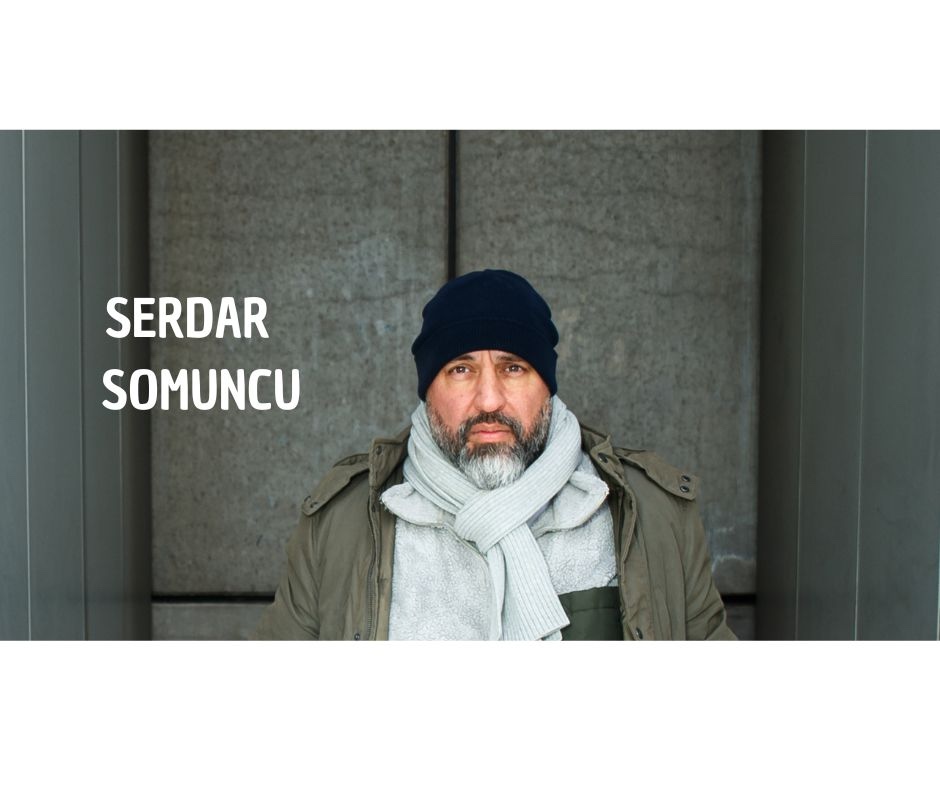
By Serdar Somuncu
By Serdar Somuncu
At the same time, almost every attack is immediately turned into a political tool. Even before the victims have been mourned and the background clarified, blame is assigned, ideological appropriation is pursued, and media campaigns begin. Some see their prejudices confirmed, while others downplay the act to protect their own worldview. Neither approach does justice to the victims. Especially in such moments, restraint, respect for those affected, and a willingness to await the facts would be more appropriate for all of us than hasty judgments.
Terror does not arise in a vacuum. This means neither excusing it nor relativizing its perpetrators. The responsibility for an act of violence always lies with the person who commits it. Those who murder people consciously choose to reject all forms of humanity. Nevertheless, it would be equally wrong to pretend that radicalization arises without social, political, or historical context. Violence has causes--and naming these causes does not justify them.
We live in a world where wars, poverty, exploitation, and a lack of prospects affect millions of people. Where hope fades, ideologies gain influence more easily. Extremist movements--regardless of their religious or political orientation--exploit precisely this despair and transform it into hatred. This doesn't absolve anyone of their personal responsibility. It merely explains why terrorism continually attracts new followers.
Attacks on events that stand for freedom, diversity, and self-determination also demonstrate how vulnerable an open society has become. It's not just individuals who are attacked, but the very idea that everyone should be able to live their life freely and without fear. We must not relinquish this freedom--neither out of fear nor out of anger.
Anyone promising simple answers is taking the easy way out. Neither the slogans of extremists nor a naive indifference to the problems of our time will get us anywhere. Nor is it helpful to place entire population groups or religions under general suspicion. The overwhelming majority of people--regardless of origin, culture, or belief--resolutely reject violence.
What's needed instead is the courage for an honest analysis. International organizations and numerous scientific studies have been pointing out for years that extreme social inequality, lack of educational opportunities, corruption, and unresolved conflicts foster instability and radicalization. A more just world alone will not prevent terrorism. But an unjust world makes it easier for its ideologues to win people over to their cause.
Our task, therefore, is not to accept injustice with indifference. Solidarity must not end at national borders or cultural differences. Compassion is not a weakness, but a prerequisite for a peaceful society. At the same time, we must expect everyone living in a democratic society to respect its rules without reservation. Religious commandments or political promises of salvation are not above the law, but rather the free and democratic order, which applies equally to everyone.
If we want to preserve our freedom, we must do both at once: combat terrorism with the full force of the rule of law while simultaneously drying up the breeding ground in which fanaticism thrives. Those who see only the perpetrators overlook the causes. Those who see only the causes fail to recognize the perpetrators' responsibility. Only when we consider both aspects together do we have a chance to break the cycle of violence, fear, and social division. A free society defends itself not only with strength, but also with reason, justice, and the ability to endure reality--even when it is uncomfortable.
July 27, 2026
©Serdar Somuncu
"The new book - Lies - A Cultural History of a Human Weakness"
*Serdar Somuncu is an actor and directord director
LINK TO THE NEW BOOK
Terror does not arise in a vacuum. This means neither excusing it nor relativizing its perpetrators. The responsibility for an act of violence always lies with the person who commits it. Those who murder people consciously choose to reject all forms of humanity. Nevertheless, it would be equally wrong to pretend that radicalization arises without social, political, or historical context. Violence has causes--and naming these causes does not justify them.
We live in a world where wars, poverty, exploitation, and a lack of prospects affect millions of people. Where hope fades, ideologies gain influence more easily. Extremist movements--regardless of their religious or political orientation--exploit precisely this despair and transform it into hatred. This doesn't absolve anyone of their personal responsibility. It merely explains why terrorism continually attracts new followers.
Attacks on events that stand for freedom, diversity, and self-determination also demonstrate how vulnerable an open society has become. It's not just individuals who are attacked, but the very idea that everyone should be able to live their life freely and without fear. We must not relinquish this freedom--neither out of fear nor out of anger.
Anyone promising simple answers is taking the easy way out. Neither the slogans of extremists nor a naive indifference to the problems of our time will get us anywhere. Nor is it helpful to place entire population groups or religions under general suspicion. The overwhelming majority of people--regardless of origin, culture, or belief--resolutely reject violence.
What's needed instead is the courage for an honest analysis. International organizations and numerous scientific studies have been pointing out for years that extreme social inequality, lack of educational opportunities, corruption, and unresolved conflicts foster instability and radicalization. A more just world alone will not prevent terrorism. But an unjust world makes it easier for its ideologues to win people over to their cause.
Our task, therefore, is not to accept injustice with indifference. Solidarity must not end at national borders or cultural differences. Compassion is not a weakness, but a prerequisite for a peaceful society. At the same time, we must expect everyone living in a democratic society to respect its rules without reservation. Religious commandments or political promises of salvation are not above the law, but rather the free and democratic order, which applies equally to everyone.
If we want to preserve our freedom, we must do both at once: combat terrorism with the full force of the rule of law while simultaneously drying up the breeding ground in which fanaticism thrives. Those who see only the perpetrators overlook the causes. Those who see only the causes fail to recognize the perpetrators' responsibility. Only when we consider both aspects together do we have a chance to break the cycle of violence, fear, and social division. A free society defends itself not only with strength, but also with reason, justice, and the ability to endure reality--even when it is uncomfortable.
July 27, 2026
©Serdar Somuncu
"The new book - Lies - A Cultural History of a Human Weakness"
*Serdar Somuncu is an actor and directord director
LINK TO THE NEW BOOK
Write a comment