Influencers discover Gaza tourism
It seems to be a new trend: Influencers and self-proclaimed world improvers are discovering crisis zones as a stage for their self-promotion. What used to be safaris or Bali is now Gaza.
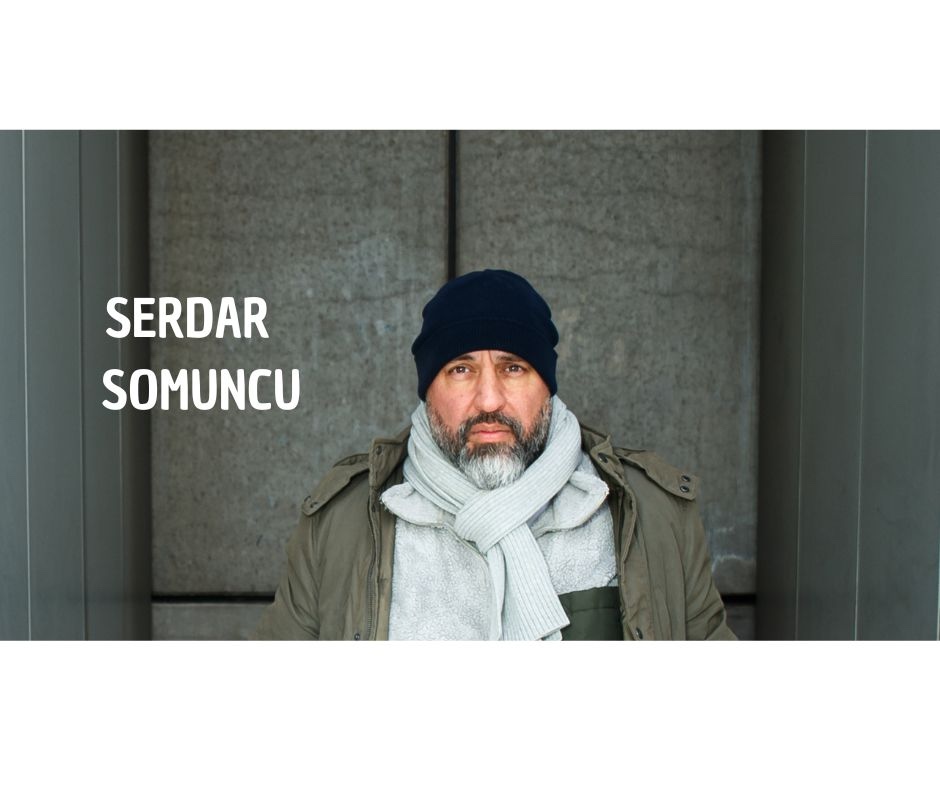
By Serdar Somuncu
By Serdar Somuncu
It all started with Greta Thunberg, who was already circulating on social media waving a Palestinian flag. No sooner had she taken this path than imitators followed: the self-proclaimed human rights activist with the distinctive, raspy voice, Enissa Amani, the comedian Oliver Pocher, and various other figures from the second and third tiers of public life. They all share the conviction that the best way to increase their own relevance is to have themselves photographed where suffering is rampant--as long as the camera angle is right.
Of course, this doesn't happen under the same conditions that the people on the ground are subjected to. Instead, they travel in comfort, accompanied by security forces, and stay in luxury hotels or even on yachts bobbing off the coast. From there, one can easily express "solidarity"--equipped with Wi-Fi, a smartphone, and a social media team behind them. The role of the "war reporter" has become a fashionable obligation, much like the selfie stick once was in St. Mark's Square.
This creates a grotesque discrepancy: on the one hand, real victims whose very existence is threatened daily. On the other side are influencers who cater to their own followers with dramatic poses, moralizing hashtags, and staged "authenticity scenes."
And in the end? The victims themselves have absolutely no interest in their fate being reduced to mere backdrops for Instagram content. The general public, in turn, is less interested in how the activists are faring in their air-conditioned hotel rooms and more interested in how the conflict is affecting the actual people on the ground.
What remains is a bitter aftertaste: Those who use war and suffering as background noise for their self-promotion are not putting the victims at the center, but themselves. It's a cynicism with only one goal: clicks, likes, and new followers. And in doing so, these self-proclaimed "eyewitnesses" not only make themselves look ridiculous but also exploit a very serious issue for their own gain.
October 1, 2025
©Serdar Somuncu
"The new book - Lies - A Cultural History of a Human Weakness"
*Serdar Somuncu is an actor and director
CLICK HERE FOR THE NEW BOOK
Of course, this doesn't happen under the same conditions that the people on the ground are subjected to. Instead, they travel in comfort, accompanied by security forces, and stay in luxury hotels or even on yachts bobbing off the coast. From there, one can easily express "solidarity"--equipped with Wi-Fi, a smartphone, and a social media team behind them. The role of the "war reporter" has become a fashionable obligation, much like the selfie stick once was in St. Mark's Square.
This creates a grotesque discrepancy: on the one hand, real victims whose very existence is threatened daily. On the other side are influencers who cater to their own followers with dramatic poses, moralizing hashtags, and staged "authenticity scenes."
And in the end? The victims themselves have absolutely no interest in their fate being reduced to mere backdrops for Instagram content. The general public, in turn, is less interested in how the activists are faring in their air-conditioned hotel rooms and more interested in how the conflict is affecting the actual people on the ground.
What remains is a bitter aftertaste: Those who use war and suffering as background noise for their self-promotion are not putting the victims at the center, but themselves. It's a cynicism with only one goal: clicks, likes, and new followers. And in doing so, these self-proclaimed "eyewitnesses" not only make themselves look ridiculous but also exploit a very serious issue for their own gain.
October 1, 2025
©Serdar Somuncu
"The new book - Lies - A Cultural History of a Human Weakness"
*Serdar Somuncu is an actor and director
CLICK HERE FOR THE NEW BOOK
Write a comment