"Rocked out, poisoned, narrow-minded?" - On the erosion of our debate culture and ways out of the polarization trap
It seems the world has lost its compass. What used to be called a culture of debate is now known as a shitstorm. Nuance is seen as weakness, volume as attitude. As global crises escalate--the coronavirus, the war in Ukraine, climate change, Gaza--the common ground at the local level is disintegrating. Not only are facts being negotiated, but also the rules by which they can still be discussed. We are witnessing a narrowing of discourse coupled with a surplus of opinions. The space for discourse is shrinking, the volume growing. What has happened?
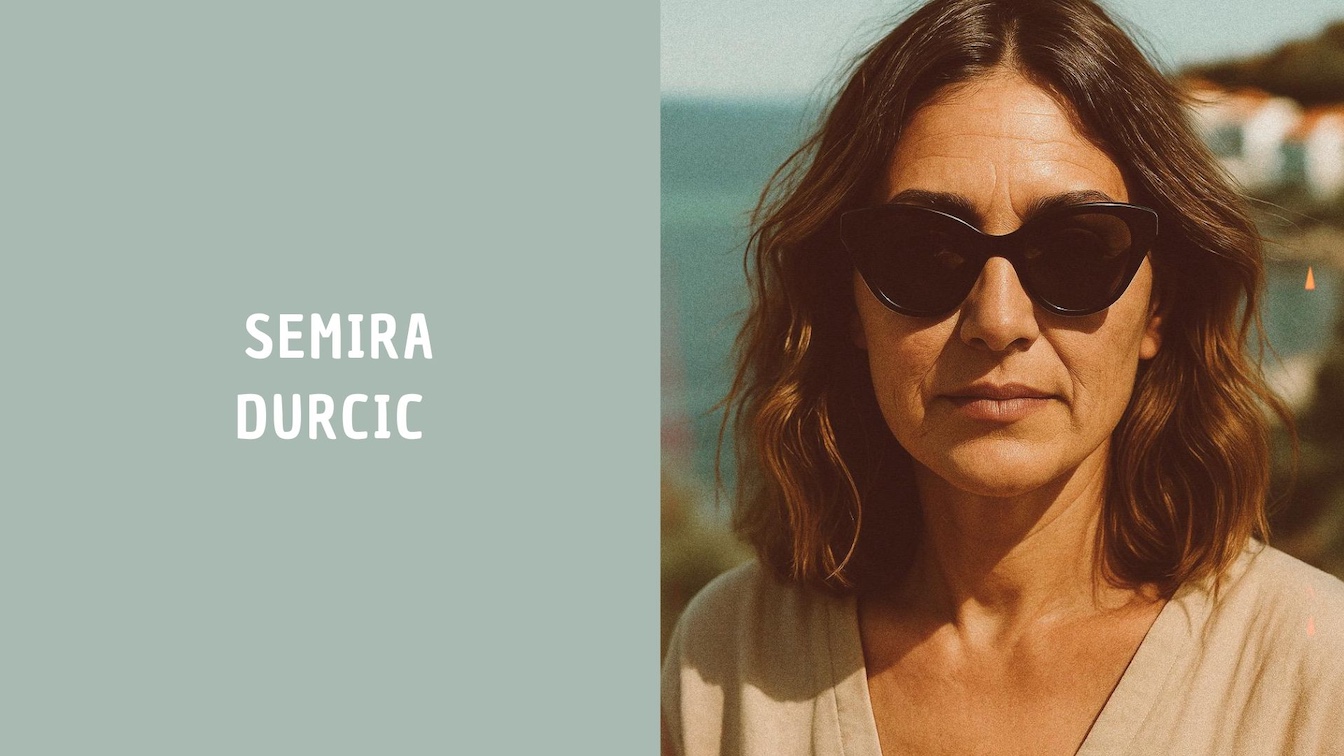
By Semira Durcic
By Semira Durcic
The causes don't lie solely in social media, even though it acts as a catalyst for a new rhetoric. Algorithms favor polarization. Complex issues lose out to faster outrage in trending topics. But the cultural shift runs deeper. The virus hasn't just infected bodies, but also debates. For many, the COVID-19 pandemic was a catalyst for distrust: mandatory masks, lockdowns, vaccinations--everything became a battleground in identity politics. The rhetoric escalated: virologists like Christian Drosten were defamed as henchmen of the "pharmaceutical dictatorship." On the other hand, any doubt was immediately dismissed as "conspiracy theorist" sympathy. Bridges were severed.
... Then came Ukraine: Suddenly everyone was a geopolitics expert, and anyone who critically questioned arms deliveries was quickly labeled a "Putin apologist." The pincer movement between moral absolutism and strategic naiveté has since paralyzed any nuanced dialogue. We've long since abandoned any semblance of meaningful conversation on the climate issue as well. Either you're passionate about the 1.5-degree target, or you supposedly deny the greenhouse effect altogether. Anyone who demands complexity is viewed with suspicion. And Gaza? Here we see the final erosion: Anyone who demands human rights for Palestinians is quickly suspected of antisemitism. Anyone who supports Israel's self-defense is branded a warmonger. It seems as if every attempt at balance has become a provocation.
This narrowing of discourse has consequences--not only societal, but also individual: Psychologically, we are experiencing a new form of exhaustion. Studies show that constant media overstimulation, moral pressure, and fear of ostracism intensify stress reactions. The phenomenon of "doomscrolling"--the compulsive consumption of bad news--can lead to sleep disorders, exhaustion, and depression. The German Depression Foundation recorded a significant increase in clinical depression and anxiety symptoms during the pandemic, particularly among young adults. According to the WHO, global cases of anxiety disorders and depression rose by 25% in 2020 alone.
The desire to withdraw completely from debates is also growing. This isn't a retreat stemming from political disillusionment, but rather self-protection. Many say: "I no longer dare to say what I think." The oft-cited "silent majority" is less conservative than simply overwhelmed. Between cancel culture, hate speech, and binary thinking, there's no room left for the undecided. The fatal flaw: Those who stop speaking out not only lose influence, but also cede the stage to those who shout the loudest--whether from the right, the left, or across the political spectrum.
Often, it is public figures who are spreading the poison. Alice Weidel, who deliberately stokes fears with terms like "corona dictatorship." Elon Musk, who plays with conspiracy-theory innuendo on X (formerly Twitter). Julian Reichelt, who confuses journalistic relevance with emotional mobilization. But artists like Xavier Naidoo or Gil Ofarim, who prioritize emotion over responsibility, also destabilize trust. Their positions constantly oscillate between victimhood narratives and megalomania--a dangerous narrative that not only tolerates contradictions but systematically produces them. One thing today, another tomorrow--the main thing is attention.
So what can be done? The path back to a culture of discussion leads not through appeals, but through action. Schools must teach conflict again--not as an elite debating club exercise, but as an everyday virtue. Media professionals need a criterion beyond click counts: context instead of controversy. Platforms must curb toxic algorithms instead of optimizing them. And what about ourselves? We must endure the discomfort of others not sharing our opinions--without immediately declaring them enemies. Democracy begins where it hurts: in confronting difference.
Perhaps the world isn't rocked out--it's overwhelmed. The price of freedom is complexity. Those who want to preserve both must learn to endure. And to talk. Not just in commentaries. But with real voices. In real life.
August 1, 2025
@Semira Durcic,
born in Cologne in 1995, writes what many think but no one says aloud--directly, darkly, unfiltered.
CLICK HERE FOR THE NEW BOOK
... Then came Ukraine: Suddenly everyone was a geopolitics expert, and anyone who critically questioned arms deliveries was quickly labeled a "Putin apologist." The pincer movement between moral absolutism and strategic naiveté has since paralyzed any nuanced dialogue. We've long since abandoned any semblance of meaningful conversation on the climate issue as well. Either you're passionate about the 1.5-degree target, or you supposedly deny the greenhouse effect altogether. Anyone who demands complexity is viewed with suspicion. And Gaza? Here we see the final erosion: Anyone who demands human rights for Palestinians is quickly suspected of antisemitism. Anyone who supports Israel's self-defense is branded a warmonger. It seems as if every attempt at balance has become a provocation.
This narrowing of discourse has consequences--not only societal, but also individual: Psychologically, we are experiencing a new form of exhaustion. Studies show that constant media overstimulation, moral pressure, and fear of ostracism intensify stress reactions. The phenomenon of "doomscrolling"--the compulsive consumption of bad news--can lead to sleep disorders, exhaustion, and depression. The German Depression Foundation recorded a significant increase in clinical depression and anxiety symptoms during the pandemic, particularly among young adults. According to the WHO, global cases of anxiety disorders and depression rose by 25% in 2020 alone.
The desire to withdraw completely from debates is also growing. This isn't a retreat stemming from political disillusionment, but rather self-protection. Many say: "I no longer dare to say what I think." The oft-cited "silent majority" is less conservative than simply overwhelmed. Between cancel culture, hate speech, and binary thinking, there's no room left for the undecided. The fatal flaw: Those who stop speaking out not only lose influence, but also cede the stage to those who shout the loudest--whether from the right, the left, or across the political spectrum.
Often, it is public figures who are spreading the poison. Alice Weidel, who deliberately stokes fears with terms like "corona dictatorship." Elon Musk, who plays with conspiracy-theory innuendo on X (formerly Twitter). Julian Reichelt, who confuses journalistic relevance with emotional mobilization. But artists like Xavier Naidoo or Gil Ofarim, who prioritize emotion over responsibility, also destabilize trust. Their positions constantly oscillate between victimhood narratives and megalomania--a dangerous narrative that not only tolerates contradictions but systematically produces them. One thing today, another tomorrow--the main thing is attention.
So what can be done? The path back to a culture of discussion leads not through appeals, but through action. Schools must teach conflict again--not as an elite debating club exercise, but as an everyday virtue. Media professionals need a criterion beyond click counts: context instead of controversy. Platforms must curb toxic algorithms instead of optimizing them. And what about ourselves? We must endure the discomfort of others not sharing our opinions--without immediately declaring them enemies. Democracy begins where it hurts: in confronting difference.
Perhaps the world isn't rocked out--it's overwhelmed. The price of freedom is complexity. Those who want to preserve both must learn to endure. And to talk. Not just in commentaries. But with real voices. In real life.
August 1, 2025
@Semira Durcic,
born in Cologne in 1995, writes what many think but no one says aloud--directly, darkly, unfiltered.
CLICK HERE FOR THE NEW BOOK
Write a comment