The sleeping giant awakens
For half a century, Iran has remained in a state of suspended animation. Led--or more accurately, firmly controlled--by a power-hungry elite of aging mullahs, revolutionary guards, and officials who have established a religiously charged system of rule whose central aim is not faith, but the preservation of power. Iran has not been governed, but pacified. Not developed, but controlled.
But this state of affairs is unstable. And has been for some time.
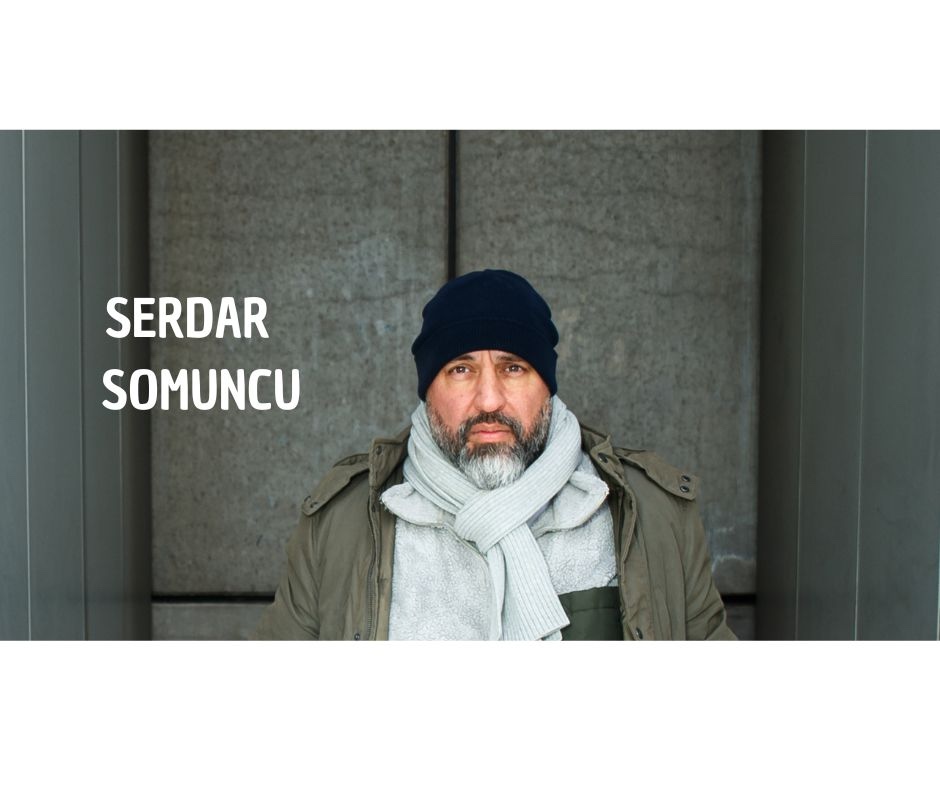
By Serdar Somuncu
But this state of affairs is unstable. And has been for some time.
By Serdar Somuncu
The power of the mullahs has been crumbling for years. Not through a single coup, but through a progressive loss of legitimacy--politically, economically, and socially. What the regime increasingly lacks is public support. What remains is repression. And repression is always an admission of weakness.
The creeping loss of authority
The protests in Iran are not a new phenomenon. As early as 1999, students took to the streets against censorship and arbitrary rule. In 2009, the so-called Green Movement shook the country after obviously manipulated election results led millions of Iranians to openly doubt the democratic credentials of the system. The reaction followed a familiar pattern: violence, arrests, and silence.
In 2017 and 2019, nationwide protests erupted again--this time fueled by social and economic hardship. Rising living costs, a lack of prospects, and corruption fueled the movement. The demands became more fundamental, the rhetoric harsher. The regime responded with live ammunition, internet shutdowns, and the suppression of truth on a massive scale.
The death of Mahsa Amini finally marked a qualitative break. Her death was not the cause, but the catalyst. It encapsulated decades of disenfranchisement, particularly of women, state arbitrariness, and religious paternalism. The ensuing protests were not a sporadic flare-up, but a societal dam break. Fear visibly shifted sides.
Reform Rhetoric as a Calming Agent
The regime consistently responded to this dwindling support with the same strategy: staging a show of willingness to reform. Presidents with moderate language, a diplomatic tone, and gestures appealing to the West. Dialogue, openness, hope. But this so-called liberal policy remained a facade.
At no point was the power structure of the Islamic Republic seriously challenged. The Guardian Council continues to control who is even allowed to run for office. Women remain systematically disenfranchised. Opposition exists only within narrowly defined boundaries. The real power lies with religious institutions and the Revolutionary Guard--not with elected representatives.
This discrepancy has long been apparent to the population. Voter turnout has recently plummeted. Not out of indifference, but out of conscious refusal. Those who no longer vote deny the system's legitimacy.
The historic opportunity--and its price
Iran stands at a historic crossroads. An ideologically rigid, aging regime is encountering a young, educated, digitally connected society. This contradiction cannot be permanently resolved. The sleeping giant is beginning to stir.
But this process is risky. The regime will not relinquish its power voluntarily. Violence, internal divisions, power struggles, and external influence are real dangers. Those who ignore this are romanticizing the situation instead of analyzing it.
At the same time, one thing is clear: Continuing as before is impossible. This system cannot be reformed without destroying itself. This is precisely where its fear lies--and the hope of those who take to the streets.
Iran stands today at a historic threshold. Beyond Iran
An Iran freed from the scourge of the mullah regime would be more than a national transformation. It would have the potential to reshape the political landscape of the Middle East. Fewer ideologically driven proxy wars, less religious mobilization, less constant escalation.
The sleeping giant is not the problem. The problem is that it has been prevented from rising for decades. When it does rise, unrest will ensue. But it could be the moment when entrenched conflicts are resolved--not through dominance, but through change.
January 9, 2026
©Serdar Somuncu
"The new book - Lies - A Cultural History of a Human Weakness"
*Serdar Somuncu is an actor and directord director
LINK TO THE NEW BOOK
The creeping loss of authority
The protests in Iran are not a new phenomenon. As early as 1999, students took to the streets against censorship and arbitrary rule. In 2009, the so-called Green Movement shook the country after obviously manipulated election results led millions of Iranians to openly doubt the democratic credentials of the system. The reaction followed a familiar pattern: violence, arrests, and silence.
In 2017 and 2019, nationwide protests erupted again--this time fueled by social and economic hardship. Rising living costs, a lack of prospects, and corruption fueled the movement. The demands became more fundamental, the rhetoric harsher. The regime responded with live ammunition, internet shutdowns, and the suppression of truth on a massive scale.
The death of Mahsa Amini finally marked a qualitative break. Her death was not the cause, but the catalyst. It encapsulated decades of disenfranchisement, particularly of women, state arbitrariness, and religious paternalism. The ensuing protests were not a sporadic flare-up, but a societal dam break. Fear visibly shifted sides.
Reform Rhetoric as a Calming Agent
The regime consistently responded to this dwindling support with the same strategy: staging a show of willingness to reform. Presidents with moderate language, a diplomatic tone, and gestures appealing to the West. Dialogue, openness, hope. But this so-called liberal policy remained a facade.
At no point was the power structure of the Islamic Republic seriously challenged. The Guardian Council continues to control who is even allowed to run for office. Women remain systematically disenfranchised. Opposition exists only within narrowly defined boundaries. The real power lies with religious institutions and the Revolutionary Guard--not with elected representatives.
This discrepancy has long been apparent to the population. Voter turnout has recently plummeted. Not out of indifference, but out of conscious refusal. Those who no longer vote deny the system's legitimacy.
The historic opportunity--and its price
Iran stands at a historic crossroads. An ideologically rigid, aging regime is encountering a young, educated, digitally connected society. This contradiction cannot be permanently resolved. The sleeping giant is beginning to stir.
But this process is risky. The regime will not relinquish its power voluntarily. Violence, internal divisions, power struggles, and external influence are real dangers. Those who ignore this are romanticizing the situation instead of analyzing it.
At the same time, one thing is clear: Continuing as before is impossible. This system cannot be reformed without destroying itself. This is precisely where its fear lies--and the hope of those who take to the streets.
Iran stands today at a historic threshold. Beyond Iran
An Iran freed from the scourge of the mullah regime would be more than a national transformation. It would have the potential to reshape the political landscape of the Middle East. Fewer ideologically driven proxy wars, less religious mobilization, less constant escalation.
The sleeping giant is not the problem. The problem is that it has been prevented from rising for decades. When it does rise, unrest will ensue. But it could be the moment when entrenched conflicts are resolved--not through dominance, but through change.
January 9, 2026
©Serdar Somuncu
"The new book - Lies - A Cultural History of a Human Weakness"
*Serdar Somuncu is an actor and directord director
LINK TO THE NEW BOOK
Write a comment