Is the president playing another prank?
The Monroe Doctrine is back--just in time for the FIFA World Cup in North America. While America prepares for a major sporting event, political tensions on the continent are noticeably rising. Harsh rhetoric and power grabs are evoking memories of the post-9/11 era, when uncertainty and escalation dominated the discourse.
By Marcel Calsen
By Marcel Calsen
A tournament as a celebration - or as the backdrop for a new geopolitical escalation?
About six months before the kickoff of the World Cup in Canada, the USA, and Mexico, a shadow hangs over the tournament. Not a sporting one, but a political one. While fans look forward to stadiums, matches, and summer evenings, an uncomfortable question arises: What if the next political maneuver is already being prepared, even before the first ball is kicked? Could the final whistle, the trophy presentation, and yet another self-promotional stunt by Trump on the final day, July 19, be the prelude to the next move, initiating a break in relations with Mexico? Could it be the next country with drug cartels on its selfish turf? Its unpredictability recently reached a new level. The tournament of hope could become a tournament of uncertainty.
Co-host country under scrutiny
What does this situation mean for Mexico? How does a country feel that wants to celebrate football - now looking forward with joy to the next football festival on home soil since 1986 - while simultaneously being a potential stage for geopolitical escalation? The fear is not abstract. It is concrete. Because it is conceivable that--after yet another self-staged trophy presentation by Trump to the winning country--the American president has already identified Mexico's drug cartels as his next target.
The Return of the Monroe Doctrine
Donald Trump is the central source of uncertainty. His unpredictability is not a rhetorical device, but political practice. The Monroe Doctrine is knocking at the door again. With Trump's characteristic volume. He threatened the Colombian president on January 3rd because of drug labs in his country; Cuba has always been the familiar socialist enemy and a thorn in his side--will Nicaragua follow? And then Mexico, where drug cartels hold sway in parts of the country. "The Monroe Doctrine from the 1920s is returning like a phoenix from the ashes: Latin America as a sphere of influence, interventions as a legitimate means of pursuing American interests."
The idea of another "intervention," a renewed deployment of the self-styled world police, awakened once again by 9/11, is no longer far-fetched--it's part of a real debate.
The Déjà Vu of History
Historical parallels inevitably emerge. Trump's press conference on January 3, 2026, is reminiscent of that very day after September 11, 2001, when George W. Bush rallied the American people against the designated enemy. The new enemy: the alleged narcos--drug gangs from Latin America poisoning Trump's nation. Back then, after 9/11, much began with vague threat scenarios, with press conferences that raised more questions than they answered. For many, the memories of George W. Bush's post-attack appearances are disturbingly similar: moral certainty, military options, a clearly defined enemy image--and unclear consequences.
The Danger of a Wildfire
Should Trump actually attempt to intervene militarily or paramilitarily in Mexico, a scenario with devastating consequences looms. Civil war is not an alarmist buzzword, but a real possibility. The last major internal conflict in Mexico began in 2006, when Mexican security forces attempted to dismantle the drug cartels militarily. The result: a protracted and devastating war that continues to this day. Well over 100,000 dead, a country in a dilemma. An external actor like the US would not stabilize this fragile balance that nevertheless exists in Mexico--but would shatter it. Once again, as numerous examples throughout history show, caused by the US.
A Continent at a Tipping Point
What is at stake here is more than national security or international symbolic politics. It is about an entire continent that could once again be thrown into turmoil--triggered by power politics and the selfish interests of a single president. In his press conference on January 3rd, he was at least predictable in one respect: his unequivocal honesty. Why the kidnapping of Maduro from Venezuela? "The American oil that Venezuela stole from us."
January 7, 2026
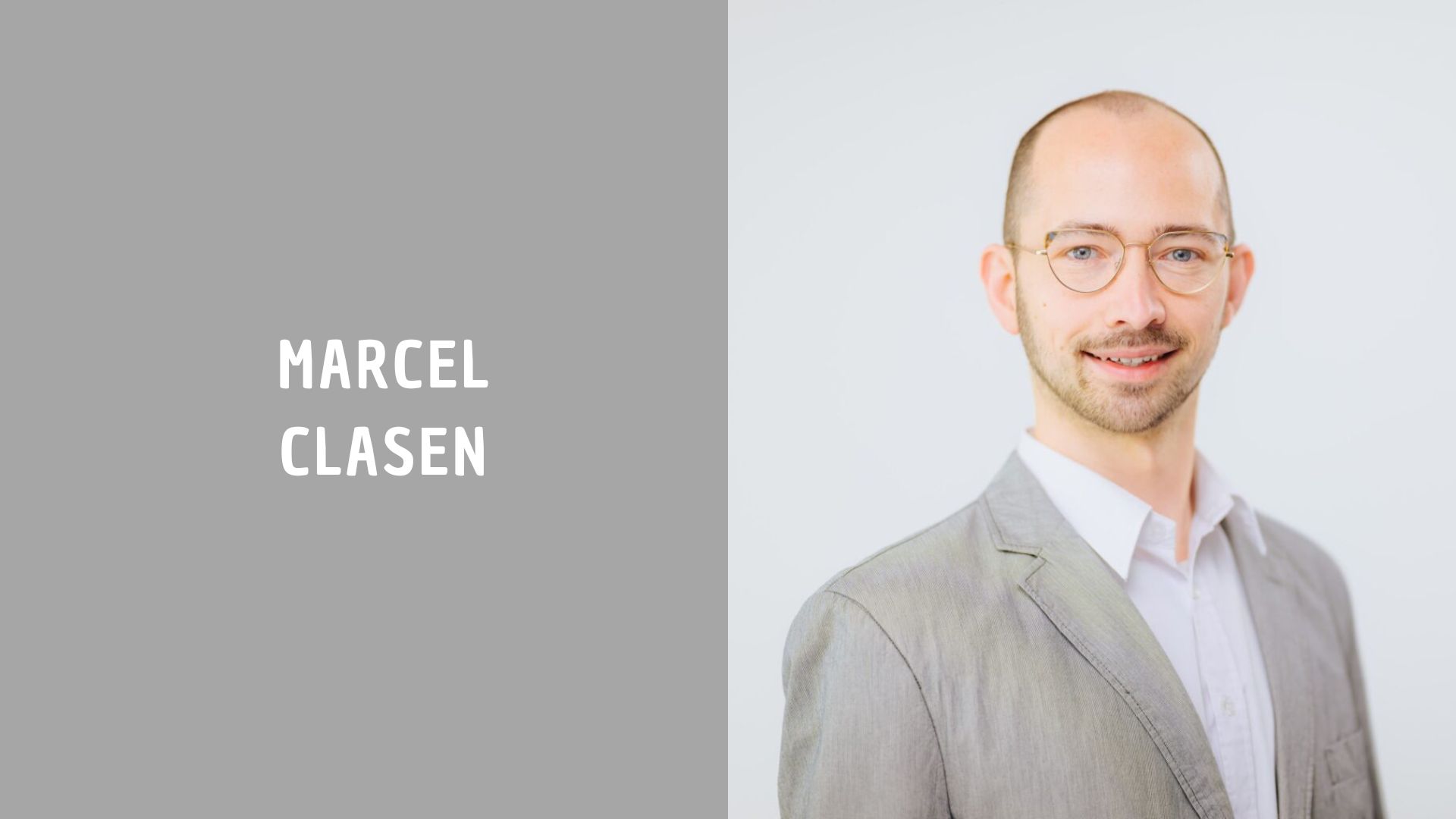
by Marcel Clasen
M. C. comes from North Rhine-Westphalia and, after stints in the Ruhr region and Latin America, now lives in his hometown again. Over time, he developed a wanderlust. He spent a five-month sabbatical in Peru and lived in Mexico for a year and a half during his studies. He has written a book about his experiences in Mexico.
About six months before the kickoff of the World Cup in Canada, the USA, and Mexico, a shadow hangs over the tournament. Not a sporting one, but a political one. While fans look forward to stadiums, matches, and summer evenings, an uncomfortable question arises: What if the next political maneuver is already being prepared, even before the first ball is kicked? Could the final whistle, the trophy presentation, and yet another self-promotional stunt by Trump on the final day, July 19, be the prelude to the next move, initiating a break in relations with Mexico? Could it be the next country with drug cartels on its selfish turf? Its unpredictability recently reached a new level. The tournament of hope could become a tournament of uncertainty.
Co-host country under scrutiny
What does this situation mean for Mexico? How does a country feel that wants to celebrate football - now looking forward with joy to the next football festival on home soil since 1986 - while simultaneously being a potential stage for geopolitical escalation? The fear is not abstract. It is concrete. Because it is conceivable that--after yet another self-staged trophy presentation by Trump to the winning country--the American president has already identified Mexico's drug cartels as his next target.
The Return of the Monroe Doctrine
Donald Trump is the central source of uncertainty. His unpredictability is not a rhetorical device, but political practice. The Monroe Doctrine is knocking at the door again. With Trump's characteristic volume. He threatened the Colombian president on January 3rd because of drug labs in his country; Cuba has always been the familiar socialist enemy and a thorn in his side--will Nicaragua follow? And then Mexico, where drug cartels hold sway in parts of the country. "The Monroe Doctrine from the 1920s is returning like a phoenix from the ashes: Latin America as a sphere of influence, interventions as a legitimate means of pursuing American interests."
The idea of another "intervention," a renewed deployment of the self-styled world police, awakened once again by 9/11, is no longer far-fetched--it's part of a real debate.
The Déjà Vu of History
Historical parallels inevitably emerge. Trump's press conference on January 3, 2026, is reminiscent of that very day after September 11, 2001, when George W. Bush rallied the American people against the designated enemy. The new enemy: the alleged narcos--drug gangs from Latin America poisoning Trump's nation. Back then, after 9/11, much began with vague threat scenarios, with press conferences that raised more questions than they answered. For many, the memories of George W. Bush's post-attack appearances are disturbingly similar: moral certainty, military options, a clearly defined enemy image--and unclear consequences.
The Danger of a Wildfire
Should Trump actually attempt to intervene militarily or paramilitarily in Mexico, a scenario with devastating consequences looms. Civil war is not an alarmist buzzword, but a real possibility. The last major internal conflict in Mexico began in 2006, when Mexican security forces attempted to dismantle the drug cartels militarily. The result: a protracted and devastating war that continues to this day. Well over 100,000 dead, a country in a dilemma. An external actor like the US would not stabilize this fragile balance that nevertheless exists in Mexico--but would shatter it. Once again, as numerous examples throughout history show, caused by the US.
A Continent at a Tipping Point
What is at stake here is more than national security or international symbolic politics. It is about an entire continent that could once again be thrown into turmoil--triggered by power politics and the selfish interests of a single president. In his press conference on January 3rd, he was at least predictable in one respect: his unequivocal honesty. Why the kidnapping of Maduro from Venezuela? "The American oil that Venezuela stole from us."
January 7, 2026
by Marcel Clasen
M. C. comes from North Rhine-Westphalia and, after stints in the Ruhr region and Latin America, now lives in his hometown again. Over time, he developed a wanderlust. He spent a five-month sabbatical in Peru and lived in Mexico for a year and a half during his studies. He has written a book about his experiences in Mexico.
Write a comment