What wasn't broadcast on Sunday evening
While in Germany the "Tatort" is on and viewers are glued to the television as pistols are drawn and people are hit by those shots, real violence is escalating once again in Mexico.
By Marcel Calsen
By Marcel Calsen
The trigger for the latest wave of violence was the assassination of Nemesio Oseguera, alias "El Mencho," the longtime leader of the Jalisco New Generation Cartel (CJNG)--one of the most powerful and feared criminal organizations in the country and the world. The news spread like wildfire, putting entire regions on high alert.
What followed was a scenario reminiscent of civil war: roadblocks made of burning trucks and cars, erected by narco-terrorists; shops set ablaze; messages of intimidation; warnings to the civilian population; images of smoke billowing over cities, sirens, deserted streets, and a pervasive sense of insecurity.
In Guadalajara, reports circulated that no civilian should leave their home after 1 p.m.--otherwise, "the worst" would happen. An unofficial curfew, dictated not by the state, but by criminal power structures.
The question that now arises extends beyond current events: Is this a foretaste of what could happen if external actors--particularly the US--begin to interfere more directly in Mexico's internal security affairs? Especially with regard to the FIFA World Cup in the Latin American country?
The scale of the escalation demonstrates how fragile the balance of power is in certain regions. A targeted strike against a leading figure does not bring about pacification--but rather a power vacuum. And in the logic of cartels, a power vacuum almost always means violence.
Should international interventions--overt or covert--further fuel this dynamic, the worst fears could become reality. Mexico stands at a critical juncture: between national sovereignty, organized crime, and geopolitical pressure. Yet the country possesses enormous potential for economic growth and could be among the BRICS nations within ten years.
And while we sit in front of the television--while watching the news, debating whether to watch a crime drama or a reality show--millions of Mexicans are stuck in their apartments. The news program reports on Trump twice: the second report seems almost absurd given the significance of the news, as the president had deployed a hospital ship to Greenland the previous day. Not a word about Latin America.
Or about the other conflicts in the world unfolding beyond the Western Hemisphere--hardships, anxieties, and existential crises in which the Western world also bears some responsibility.
February 23, 2026
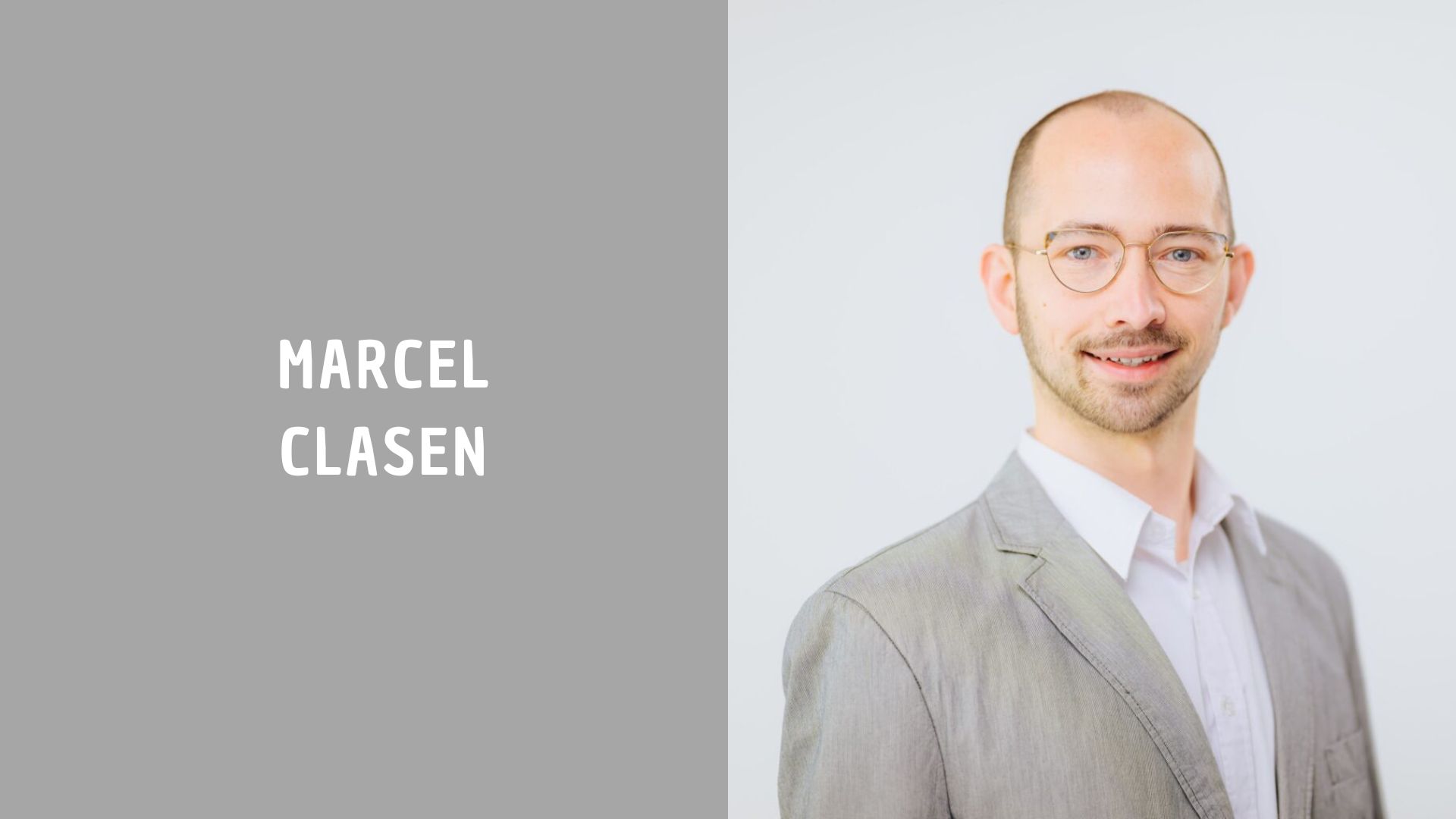
by Marcel Clasen
M. C. comes from North Rhine-Westphalia and, after stints in the Ruhr region and Latin America, now lives in his hometown again. Over time, he developed a wanderlust. He spent a five-month sabbatical in Peru and lived in Mexico for a year and a half during his studies. He has written a book about his experiences in Mexico.
What followed was a scenario reminiscent of civil war: roadblocks made of burning trucks and cars, erected by narco-terrorists; shops set ablaze; messages of intimidation; warnings to the civilian population; images of smoke billowing over cities, sirens, deserted streets, and a pervasive sense of insecurity.
In Guadalajara, reports circulated that no civilian should leave their home after 1 p.m.--otherwise, "the worst" would happen. An unofficial curfew, dictated not by the state, but by criminal power structures.
The question that now arises extends beyond current events: Is this a foretaste of what could happen if external actors--particularly the US--begin to interfere more directly in Mexico's internal security affairs? Especially with regard to the FIFA World Cup in the Latin American country?
The scale of the escalation demonstrates how fragile the balance of power is in certain regions. A targeted strike against a leading figure does not bring about pacification--but rather a power vacuum. And in the logic of cartels, a power vacuum almost always means violence.
Should international interventions--overt or covert--further fuel this dynamic, the worst fears could become reality. Mexico stands at a critical juncture: between national sovereignty, organized crime, and geopolitical pressure. Yet the country possesses enormous potential for economic growth and could be among the BRICS nations within ten years.
And while we sit in front of the television--while watching the news, debating whether to watch a crime drama or a reality show--millions of Mexicans are stuck in their apartments. The news program reports on Trump twice: the second report seems almost absurd given the significance of the news, as the president had deployed a hospital ship to Greenland the previous day. Not a word about Latin America.
Or about the other conflicts in the world unfolding beyond the Western Hemisphere--hardships, anxieties, and existential crises in which the Western world also bears some responsibility.
February 23, 2026
by Marcel Clasen
M. C. comes from North Rhine-Westphalia and, after stints in the Ruhr region and Latin America, now lives in his hometown again. Over time, he developed a wanderlust. He spent a five-month sabbatical in Peru and lived in Mexico for a year and a half during his studies. He has written a book about his experiences in Mexico.
Write a comment