How fortunate that Rudolf Augstein didn't have to witness this.
Der Spiegel was once a major news magazine. Then the Hamburg-based editors began to betray the liberal legacy of the magazine's founder. Today, the editorial staff even keeps a record of a birthday party because AfD leader Alice Weidel was also a guest--just like in the Stasi film "The Lives of Others."
By Ben Krischke
By Ben Krischke
"The man who once said that wealth had not significantly changed his life celebrated his birthday in grand style last Saturday in May: In the morning, champagne flowed for some 250 guests, then an orchestra from Prague played music." Later, there was an open-air buffet at tables decorated with lemons, before "party time" began in the marquee, as the invitation stated. These are the opening lines of a recent Spiegel investigation, conducted by editors Susanne Amann and Ann-Katrin Müller.
The latter is responsible for AfD coverage at the news magazine. Müller writes commentaries such as "Enough with the normalization" (of the AfD) or reports on an AfD mudslinging match in North Rhine-Westphalia. The fact that Müller's latest Spiegel investigation suddenly focuses on champagne, a Prague orchestra, and tables decorated with lemons has a simple explanation: Amann and Müller observed the birthday party of dairy billionaire Theo Müller because AfD leader Alice Weidel was also a guest.
Weidel and Müller are friends. That much is known. The news value is therefore practically zero. Nevertheless, Spiegel observed the event. And how! Amann and Müller meticulously compiled their "information." For example: "As the evening progressed, the decorations became more lavish. On the white-clothed tables stood golden and glass vases with hydrangeas, roses, and floating candles, interspersed with bouquets of white ostrich feathers and gold-sprayed palm leaves, from which crystals dangled."
Say it like it is
"Say it like it is": That was Rudolf Augstein's guiding principle. The Spiegel founder, who died in 2002, is considered one of the most influential German journalists of the post-war era. He founded his magazine, later known for its investigative tenacity and clear stance against the powerful in business and politics, in Hanover in 1947. A true success story from which the magazine still benefits today.
But Augstein wasn't just a journalist and entrepreneur. He even served three months as a member of the German Bundestag. Not for the Greens, as some current Spiegel readers might spontaneously assume. They didn't exist in 1972. And not for the SPD either. No, in 1972, Augstein was persuaded by the FDP chairman, Walter Scheel, to run for office. In November, he entered the Bundestag via the North Rhine-Westphalia state list. But the stint lasted only three Months. A change in the Spiegel's editorial leadership soon demanded the founder's full attention.
It's just a short chapter in the remarkable life of Rudolf Augstein. But one that also reveals much about the Spiegel founder's political mindset. Augstein was, after all, a liberal, not a leftist, not a conservative, no, a liberal. And anyone who knows this can only observe the development that Spiegel has undergone for about ten, perhaps fifteen years with the utmost bewilderment. Which brings us back to Susanne Amann and Ann-Katrin Müller--and their research on the birthday celebration.
"The celebration reveals how unconcerned Müller, a CSU member for decades, now surrounds herself with those on the far right, how close her contact with them is. But it also shows how the radicals can gain access to democratic politicians and lobbyists on such occasions, how they can network and expand their influence," the text continues. And at this point at the latest it becomes clear that the authors are not concerned with the joy of the pompous and decadent, unlike Bunte or Gala, but with something else. The next sentence reveals exactly what this is about: "Apparently, those present had no problem celebrating with the extreme right."
Times are changing
Der Spiegel was once a great news magazine. Gripping reports, excellent research, crisp writing with a literary touch: As a young journalism student, I even subscribed. Despite financial difficulties, this Spiegel subscription was the small luxury I allowed myself. Today, I'd rather swallow a cup of thumbtacks than spend money on Spiegel at the newsstand. Because at some point--and I don't know why or exactly when--they decided in Hamburg to make the destruction of Rudolf Augstein's liberal legacy a top priority.
They hired authors and columnists who have absolutely no regard for freedom and decided to pursue a left-wing, statist course. And then, with columnist Jan Fleischhauer, the last prominent voice from the conservative camp also left the magazine. With the sphere having been abandoned, the fate of the magazine was probably final.It was sealed. In other words: Rudolf Augstein wouldn't have preached a naive "welcome culture." He would have engaged with the energy transition far more critically than Der Spiegel does today. He certainly wouldn't have allowed himself to be reduced to an extended press office for the Corona policies. And he would have ensured that other, much smaller media outlets like Cicero wouldn't have to sue to get access to files on the nuclear phase-out. He would have simply done it himself.
But times change. And a major news magazine has become a publication that now monitors birthday parties and meticulously documents them like in the Stasi film "The Lives of Others." "Among others, the author Gaby Hauptmann was at Weidel's table," write Müller and Amann. "Peter Gauweiler was at Müller's table," they state. Or, as another example: "Rainer Zitelmann was also at the table at Müller's party." And further: "If a successful entrepreneur can invite right-wing extremists, Putin apologists, and climate crisis skeptics, and these individuals mingle freely with other guests from politics, business, and culture--what does that say? How deeply has such ideology already seeped into the supposedly bourgeois center?"
In short: Amann and Müller are now engaging in voyeuristic propaganda against the right wing in Der Spiegel--and indeed against anyone who doesn't want to adhere to the most prevalent narratives in the media and politics--for example, regarding the war in Ukraine or the energy transition. One consolation, however, remains: How fortunate that Rudolf Augstein didn't have to witness this.
August 28, 2025
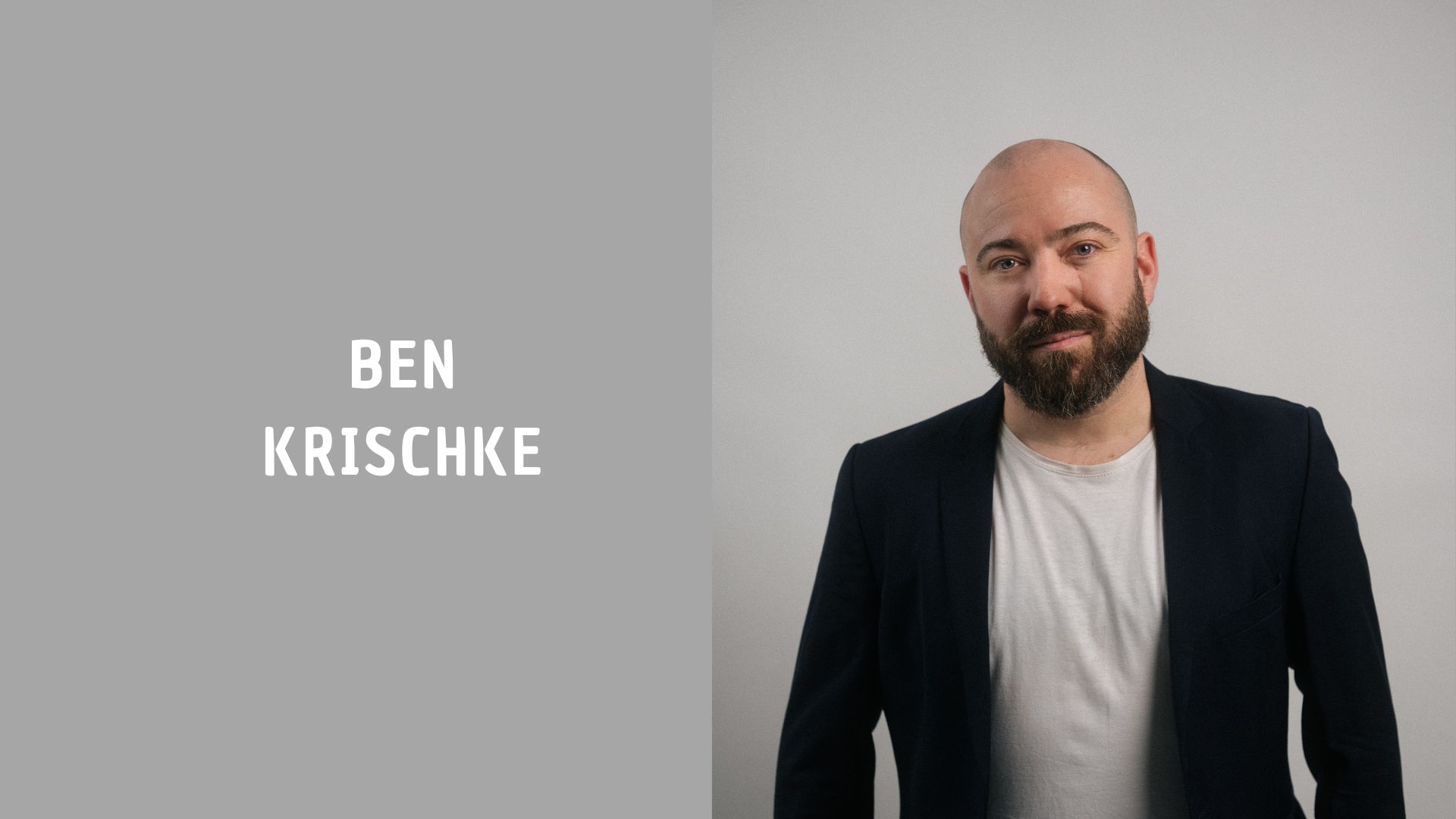
Ben Krischke is an editor at the political magazine Cicero political magazine Cicero and co-editor of the book "The Wokeness Illusion" (Herder Publishing). He lives in Munich.
The latter is responsible for AfD coverage at the news magazine. Müller writes commentaries such as "Enough with the normalization" (of the AfD) or reports on an AfD mudslinging match in North Rhine-Westphalia. The fact that Müller's latest Spiegel investigation suddenly focuses on champagne, a Prague orchestra, and tables decorated with lemons has a simple explanation: Amann and Müller observed the birthday party of dairy billionaire Theo Müller because AfD leader Alice Weidel was also a guest.
Weidel and Müller are friends. That much is known. The news value is therefore practically zero. Nevertheless, Spiegel observed the event. And how! Amann and Müller meticulously compiled their "information." For example: "As the evening progressed, the decorations became more lavish. On the white-clothed tables stood golden and glass vases with hydrangeas, roses, and floating candles, interspersed with bouquets of white ostrich feathers and gold-sprayed palm leaves, from which crystals dangled."
Say it like it is
"Say it like it is": That was Rudolf Augstein's guiding principle. The Spiegel founder, who died in 2002, is considered one of the most influential German journalists of the post-war era. He founded his magazine, later known for its investigative tenacity and clear stance against the powerful in business and politics, in Hanover in 1947. A true success story from which the magazine still benefits today.
But Augstein wasn't just a journalist and entrepreneur. He even served three months as a member of the German Bundestag. Not for the Greens, as some current Spiegel readers might spontaneously assume. They didn't exist in 1972. And not for the SPD either. No, in 1972, Augstein was persuaded by the FDP chairman, Walter Scheel, to run for office. In November, he entered the Bundestag via the North Rhine-Westphalia state list. But the stint lasted only three Months. A change in the Spiegel's editorial leadership soon demanded the founder's full attention.
It's just a short chapter in the remarkable life of Rudolf Augstein. But one that also reveals much about the Spiegel founder's political mindset. Augstein was, after all, a liberal, not a leftist, not a conservative, no, a liberal. And anyone who knows this can only observe the development that Spiegel has undergone for about ten, perhaps fifteen years with the utmost bewilderment. Which brings us back to Susanne Amann and Ann-Katrin Müller--and their research on the birthday celebration.
"The celebration reveals how unconcerned Müller, a CSU member for decades, now surrounds herself with those on the far right, how close her contact with them is. But it also shows how the radicals can gain access to democratic politicians and lobbyists on such occasions, how they can network and expand their influence," the text continues. And at this point at the latest it becomes clear that the authors are not concerned with the joy of the pompous and decadent, unlike Bunte or Gala, but with something else. The next sentence reveals exactly what this is about: "Apparently, those present had no problem celebrating with the extreme right."
Times are changing
Der Spiegel was once a great news magazine. Gripping reports, excellent research, crisp writing with a literary touch: As a young journalism student, I even subscribed. Despite financial difficulties, this Spiegel subscription was the small luxury I allowed myself. Today, I'd rather swallow a cup of thumbtacks than spend money on Spiegel at the newsstand. Because at some point--and I don't know why or exactly when--they decided in Hamburg to make the destruction of Rudolf Augstein's liberal legacy a top priority.
They hired authors and columnists who have absolutely no regard for freedom and decided to pursue a left-wing, statist course. And then, with columnist Jan Fleischhauer, the last prominent voice from the conservative camp also left the magazine. With the sphere having been abandoned, the fate of the magazine was probably final.It was sealed. In other words: Rudolf Augstein wouldn't have preached a naive "welcome culture." He would have engaged with the energy transition far more critically than Der Spiegel does today. He certainly wouldn't have allowed himself to be reduced to an extended press office for the Corona policies. And he would have ensured that other, much smaller media outlets like Cicero wouldn't have to sue to get access to files on the nuclear phase-out. He would have simply done it himself.
But times change. And a major news magazine has become a publication that now monitors birthday parties and meticulously documents them like in the Stasi film "The Lives of Others." "Among others, the author Gaby Hauptmann was at Weidel's table," write Müller and Amann. "Peter Gauweiler was at Müller's table," they state. Or, as another example: "Rainer Zitelmann was also at the table at Müller's party." And further: "If a successful entrepreneur can invite right-wing extremists, Putin apologists, and climate crisis skeptics, and these individuals mingle freely with other guests from politics, business, and culture--what does that say? How deeply has such ideology already seeped into the supposedly bourgeois center?"
In short: Amann and Müller are now engaging in voyeuristic propaganda against the right wing in Der Spiegel--and indeed against anyone who doesn't want to adhere to the most prevalent narratives in the media and politics--for example, regarding the war in Ukraine or the energy transition. One consolation, however, remains: How fortunate that Rudolf Augstein didn't have to witness this.
August 28, 2025
Ben Krischke is an editor at the political magazine Cicero political magazine Cicero and co-editor of the book "The Wokeness Illusion" (Herder Publishing). He lives in Munich.
Write a comment