On German Unity Day
Today is October 7th, a day that makes me pause and reflect. Wait a minute, wasn't there something about that? After much thought, it comes back to me--oh yes, Republic Day. Oh my God, how deeply that memory still lingers, even though I didn't really feel much of that day myself.
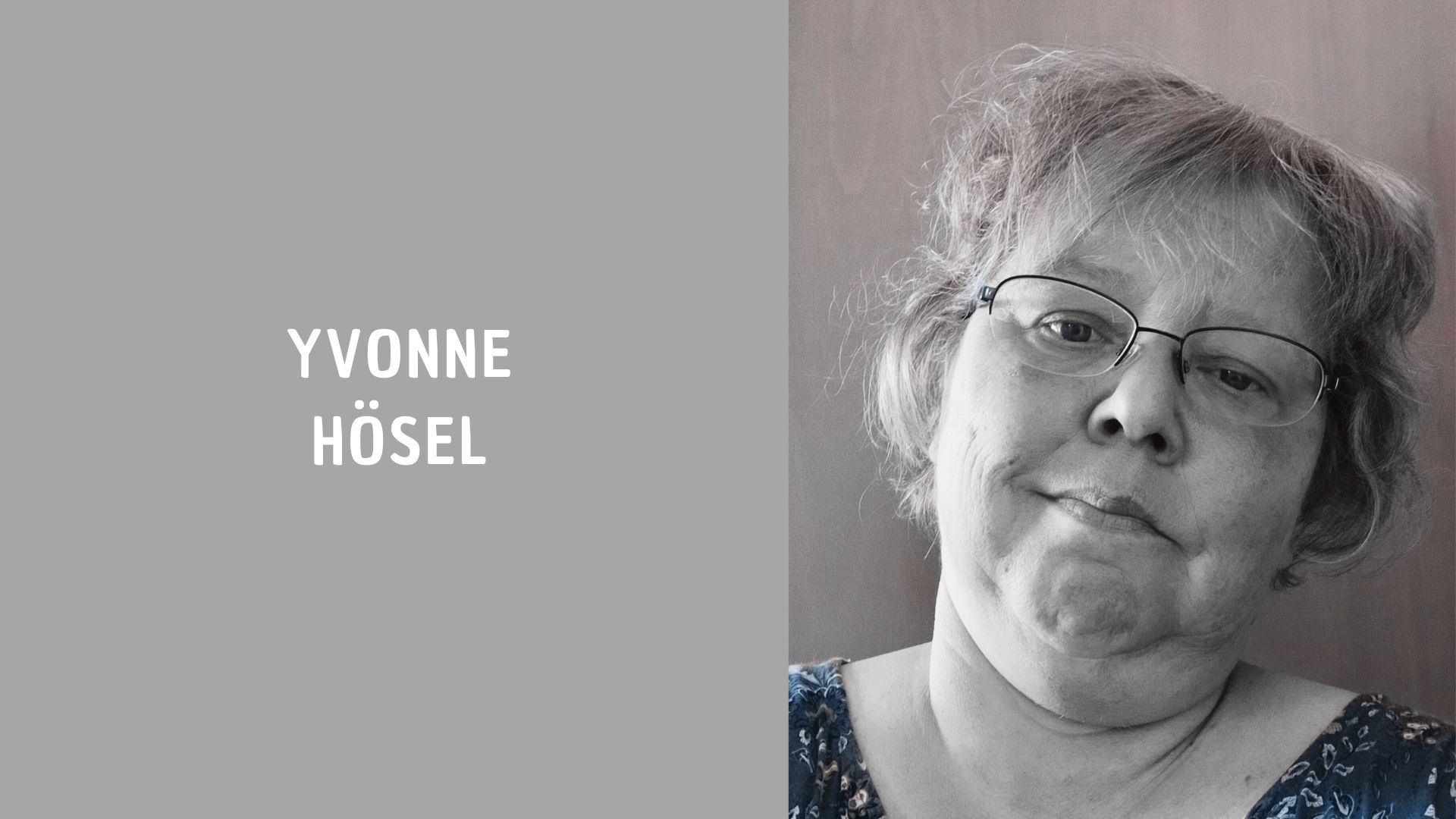
By Yvonne Hösel
By Yvonne Hösel
And this is four days after German Unity Day, and to be honest, it's a day I don't feel at all. I have absolutely no connection to this day, and when I look back at the celebrations, I increasingly wonder if we're all even talking about the same day. A celebration in Saarbrücken, with the French. Who doesn't remember the large French participation, the Monday demonstrations, and especially Saarbrücken, the city where the peaceful revolution began? A national holiday where the self-proclaimed elites celebrate, but not so much the nation.
Anyone from the East still has to put up with a lot--from a lack of understanding of democracy to being labeled a whiny East German, it's all there. The stupid one comes from the East, and of course, so do the Nazis and AfD voters. And somehow it still seems to be the East Germans who are dividing the country, who don't feel included or included, and even less united.
Didn't we once take to the streets for democracy? Or was it merely the desire for freedom and personal gain? Will we East Germans ever live up to the expectation of eternal gratitude towards the "West"? Personally, it remains a turning point, but not reunification - and the celebrations in Saarbrücken demonstrate that. Certainly, there were mistakes in reunification, but does that mean that after 35 years, these can simply be acknowledged and that's it? The divisions seem deeper than the Wall ever stood.
The Monday demonstrations, born from the peace prayers in Leipzig's St. Nicholas Church, were a mosaic of thousands of individuals - workers, intellectuals, families, young people - each with their own hopes. For some, freedom of travel; for others, freedom of speech; for still others, economic security or simply an end to oppression. The lowest common denominator was: "We are the people." A cry for self-determination - and not for Western guidance. In Leipzig, on October 9, 1989, around 70,000 people gathered to challenge the GDR government. This was unity born of a primal force--without Western saviors.
Everything that followed the fall of the Berlin Wall, reunification, or the takeover of the East had nothing to do with their wishes and expectations. People made do, as people generally do. What followed was not the fulfillment of these dreams, but an accommodation with a reality that often seemed externally imposed. What remains is that this community and unity has been shattered--not by the East Germans themselves, but by the dynamics that followed: Western dominance, economic inequality, cultural ignorance. And why? Because the West did not see the East as a partner, but as a project.
The Treuhandanstalt privatized 14,000 companies, resulting in the loss of 2.5 million jobs. The wage gap persists to this day. And the media continues to reinforce this alienation with clichés: "decaying GDR," "left-behind East Germans," "neo-Nazis"--narratives that still portray the East as a problem area. In 2022, Der Spiegel engaged in self-criticism, admitting that it had reduced East Germany to stereotypes--unfortunately, this came far too late.
I remember Dirk Rossmann distributing copies of Der Spiegel in January 1990. According to his own account, he smuggled around 20,000 copies in 16 cars. It was supposedly his response to the leaflets distributed by the NPD in Dresden and Leipzig. He wanted to create "democratic counter-propaganda" and give "East Germans" "the right thing" to read, as he put it. He describes in detail... He mentions it in his autobiography, "...and then I climbed the tree," or in interviews, where he proudly presents it as a highlight: "By the way, 1250 magazines fit in the trunk of a VW Passat." He saw himself as the savior fighting against right-wing extremism--and distributed, well, remaindered issues, meaning magazines that hadn't sold in the West--free of charge to demonstrators. Well-intentioned? Certainly possible. But these were the Western scraps, wrapped up as gifts, while the Monday demonstrations were an East German phenomenon, driven by courage that no one needed to import. That's what has remained as a feeling from reunification: the West as a benefactor, lecturing and showering gifts on the East instead of seeing it as an equal. To this day, Rossmann hasn't reflected on how condescending and arrogant his actions were perceived. Not a word about the irony of the unsold magazines, no acknowledgment that it resembled colonial aid. Instead, the West German entrepreneur was portrayed as a hero saving the East from itself.
The divisions that are still visible today--the East isn't solely responsible for them. The Monday demonstrations were an act of independence that tore down the Wall without West German aid. The divisions were created by gestures like Mr. Rossmann's--andthrough media outlets that portrayed the East as exotic? And it doesn't stop there: articles in Spiegel magazine, issue 40/2025, analyze the "right-wing East" with a focus on Saxony and Thuringia, without delving deeply into the economic and social frustrations following reunification. The narrative still holds true: "The East is ungrateful for the West's help--whether it's Rossmann magazines or the investments of the 1990s." This narrative remains shaped by West German newsrooms and ignores the fact that the divisions arose from arrogance and ignorance--not ingratitude.
October 3rd, which marks the signing of the Unification Treaty in 1990, was meant to be a symbol of unity--but in reality, it's a mandated holiday. It doesn't celebrate the shared achievement, but rather a bureaucratic unification that still ignores the diversity of hopes from 1989. It doesn't reflect at all the feeling of standing in the countless crowds back then, when the waves of chants of "We are!" The people "rolling over you"--the queasy feeling in your stomach, the cold and the shivering in the square in front of St. Nicholas Church. Countless candles burning--and no one was hurt by them. Trams that stood still for two hours and then ran every minute to take us all home in different directions without being overcrowded. And yet, every week the feeling: Will this go well today, or will the police intervene? In the beginning, there was only silence, the silent gathering and standing together. Later, the slogans or the pathetically singing of "The Internationale." Yes, we could do pathos--we learned that in school, at the latest when reciting "John Maynard." That's what I miss on German Unity Day--no echo, nothing of the soul and magic of the Monday demonstrations. Perhaps that's why I can't feel it.
October 9, 2025
© Yvonne Hösel
Yvonne Hösel, 56 years old and mother of three.
As a trained nurse, I worked in the operating room for over 20 years.
I was born and raised in East Germany, experienced the fall of the Berlin Wall firsthand, and still live in Leipzig.
My new book - Lies - A Cultural History of a Human Weakness
CLICK HERE FOR THE NEW BOOK
Anyone from the East still has to put up with a lot--from a lack of understanding of democracy to being labeled a whiny East German, it's all there. The stupid one comes from the East, and of course, so do the Nazis and AfD voters. And somehow it still seems to be the East Germans who are dividing the country, who don't feel included or included, and even less united.
Didn't we once take to the streets for democracy? Or was it merely the desire for freedom and personal gain? Will we East Germans ever live up to the expectation of eternal gratitude towards the "West"? Personally, it remains a turning point, but not reunification - and the celebrations in Saarbrücken demonstrate that. Certainly, there were mistakes in reunification, but does that mean that after 35 years, these can simply be acknowledged and that's it? The divisions seem deeper than the Wall ever stood.
The Monday demonstrations, born from the peace prayers in Leipzig's St. Nicholas Church, were a mosaic of thousands of individuals - workers, intellectuals, families, young people - each with their own hopes. For some, freedom of travel; for others, freedom of speech; for still others, economic security or simply an end to oppression. The lowest common denominator was: "We are the people." A cry for self-determination - and not for Western guidance. In Leipzig, on October 9, 1989, around 70,000 people gathered to challenge the GDR government. This was unity born of a primal force--without Western saviors.
Everything that followed the fall of the Berlin Wall, reunification, or the takeover of the East had nothing to do with their wishes and expectations. People made do, as people generally do. What followed was not the fulfillment of these dreams, but an accommodation with a reality that often seemed externally imposed. What remains is that this community and unity has been shattered--not by the East Germans themselves, but by the dynamics that followed: Western dominance, economic inequality, cultural ignorance. And why? Because the West did not see the East as a partner, but as a project.
The Treuhandanstalt privatized 14,000 companies, resulting in the loss of 2.5 million jobs. The wage gap persists to this day. And the media continues to reinforce this alienation with clichés: "decaying GDR," "left-behind East Germans," "neo-Nazis"--narratives that still portray the East as a problem area. In 2022, Der Spiegel engaged in self-criticism, admitting that it had reduced East Germany to stereotypes--unfortunately, this came far too late.
I remember Dirk Rossmann distributing copies of Der Spiegel in January 1990. According to his own account, he smuggled around 20,000 copies in 16 cars. It was supposedly his response to the leaflets distributed by the NPD in Dresden and Leipzig. He wanted to create "democratic counter-propaganda" and give "East Germans" "the right thing" to read, as he put it. He describes in detail... He mentions it in his autobiography, "...and then I climbed the tree," or in interviews, where he proudly presents it as a highlight: "By the way, 1250 magazines fit in the trunk of a VW Passat." He saw himself as the savior fighting against right-wing extremism--and distributed, well, remaindered issues, meaning magazines that hadn't sold in the West--free of charge to demonstrators. Well-intentioned? Certainly possible. But these were the Western scraps, wrapped up as gifts, while the Monday demonstrations were an East German phenomenon, driven by courage that no one needed to import. That's what has remained as a feeling from reunification: the West as a benefactor, lecturing and showering gifts on the East instead of seeing it as an equal. To this day, Rossmann hasn't reflected on how condescending and arrogant his actions were perceived. Not a word about the irony of the unsold magazines, no acknowledgment that it resembled colonial aid. Instead, the West German entrepreneur was portrayed as a hero saving the East from itself.
The divisions that are still visible today--the East isn't solely responsible for them. The Monday demonstrations were an act of independence that tore down the Wall without West German aid. The divisions were created by gestures like Mr. Rossmann's--andthrough media outlets that portrayed the East as exotic? And it doesn't stop there: articles in Spiegel magazine, issue 40/2025, analyze the "right-wing East" with a focus on Saxony and Thuringia, without delving deeply into the economic and social frustrations following reunification. The narrative still holds true: "The East is ungrateful for the West's help--whether it's Rossmann magazines or the investments of the 1990s." This narrative remains shaped by West German newsrooms and ignores the fact that the divisions arose from arrogance and ignorance--not ingratitude.
October 3rd, which marks the signing of the Unification Treaty in 1990, was meant to be a symbol of unity--but in reality, it's a mandated holiday. It doesn't celebrate the shared achievement, but rather a bureaucratic unification that still ignores the diversity of hopes from 1989. It doesn't reflect at all the feeling of standing in the countless crowds back then, when the waves of chants of "We are!" The people "rolling over you"--the queasy feeling in your stomach, the cold and the shivering in the square in front of St. Nicholas Church. Countless candles burning--and no one was hurt by them. Trams that stood still for two hours and then ran every minute to take us all home in different directions without being overcrowded. And yet, every week the feeling: Will this go well today, or will the police intervene? In the beginning, there was only silence, the silent gathering and standing together. Later, the slogans or the pathetically singing of "The Internationale." Yes, we could do pathos--we learned that in school, at the latest when reciting "John Maynard." That's what I miss on German Unity Day--no echo, nothing of the soul and magic of the Monday demonstrations. Perhaps that's why I can't feel it.
October 9, 2025
© Yvonne Hösel
Yvonne Hösel, 56 years old and mother of three.
As a trained nurse, I worked in the operating room for over 20 years.
I was born and raised in East Germany, experienced the fall of the Berlin Wall firsthand, and still live in Leipzig.
My new book - Lies - A Cultural History of a Human Weakness
CLICK HERE FOR THE NEW BOOK
Write a comment